Legal Requirements for Starting a Business in Pakistan

Updated: Oct 1

Starting a business is an exciting step toward financial independence and economic growth. Whether you plan to establish a small retail shop, launch an online store, provide professional services, or build a large manufacturing company, understanding the legal requirements is essential for operating lawfully and successfully. Every business, regardless of its size, functions within a legal framework that governs its formation, registration, taxation, employment practices, regulatory compliance, and commercial operations.
In Pakistan, business laws are designed to encourage entrepreneurship while ensuring transparency, accountability, and consumer protection. A legally established business enjoys numerous advantages, including easier access to banking services, legal recognition, contractual protection, government incentives, and greater credibility among customers, suppliers, and investors. Conversely, ignoring legal requirements may expose a business to penalties, regulatory action, contractual disputes, and financial risks.
The legal process of starting a business varies depending on the nature of the business, its ownership structure, and the sector in which it operates. Some businesses require only basic tax registration, while others must comply with corporate, licensing, labor, environmental, and industry-specific regulations. Choosing the appropriate legal structure at the beginning is one of the most important decisions because it affects taxation, liability, management, and future business growth. Pakistan generally recognizes structures such as sole proprietorships, partnerships, and private limited companies, each with different registration and compliance requirements.
For law students, entrepreneurs, business owners, investors, and legal professionals, understanding the legal requirements for starting a business in Pakistan provides valuable knowledge that supports both legal compliance and sustainable commercial success.
Understanding the Legal Framework for Businesses
Every business operates within a legal framework established by the Constitution, commercial laws, tax regulations, labor legislation, and regulatory authorities.
The legal framework defines how businesses are formed, managed, regulated, taxed, and dissolved. It also protects the rights of business owners, employees, consumers, creditors, investors, and other stakeholders.
Legal compliance is not merely a statutory obligation; it also builds confidence among customers, financial institutions, suppliers, and investors. Businesses that comply with legal requirements are generally viewed as more reliable and professionally managed.
A sound understanding of business law enables entrepreneurs to minimize legal risks while focusing on commercial growth.
Importance of Legal Compliance
Legal compliance is one of the foundations of a successful business.
Operating in accordance with the law protects entrepreneurs from unnecessary legal disputes, financial penalties, regulatory investigations, and contractual uncertainties.
Compliance also creates opportunities for obtaining financing, participating in government tenders, attracting investment, expanding operations, and entering into commercial agreements with confidence.
Furthermore, lawful business operations contribute to economic development by promoting transparency, fair competition, consumer confidence, and responsible corporate behavior.
A legally compliant business enjoys greater stability and long-term sustainability than one operating outside the legal framework.
Choosing the Appropriate Business Structure
Selecting the right legal structure is among the first and most significant decisions an entrepreneur must make.
The chosen structure determines ownership rights, management responsibilities, taxation, liability, regulatory obligations, and future expansion opportunities.
Common business structures in Pakistan include sole proprietorships, partnerships, and private limited companies. Sole proprietorships are generally suitable for individuals running small businesses, while partnerships allow two or more persons to carry on business together. Private limited companies provide a separate legal identity and limited liability for shareholders, making them attractive for businesses seeking growth or external investment.
Choosing an appropriate structure should be based upon the nature of the business, financial objectives, ownership arrangements, and long-term commercial plans.
Business Name Selection
Selecting a business name is both a commercial and legal consideration.
A business name should be distinctive, lawful, and capable of identifying the enterprise in the marketplace.
For companies, the proposed name is generally subject to approval during the incorporation process to ensure that it does not conflict with existing registered names or violate applicable naming regulations.
A carefully selected business name contributes to branding, legal recognition, and commercial identity.
Entrepreneurs should also consider intellectual property protection when developing a business identity.
Business Registration
Business registration provides legal recognition to the enterprise.
The registration process depends upon the selected business structure.
A sole proprietorship generally requires tax registration, while companies are incorporated through the relevant corporate registration process administered by the competent authority. Partnerships may also require documentation governing the relationship between partners and, where applicable, registration under the relevant legal framework.
Registration creates legal certainty regarding ownership, business identity, and regulatory compliance.
It also facilitates future commercial transactions, banking relationships, and contractual arrangements.
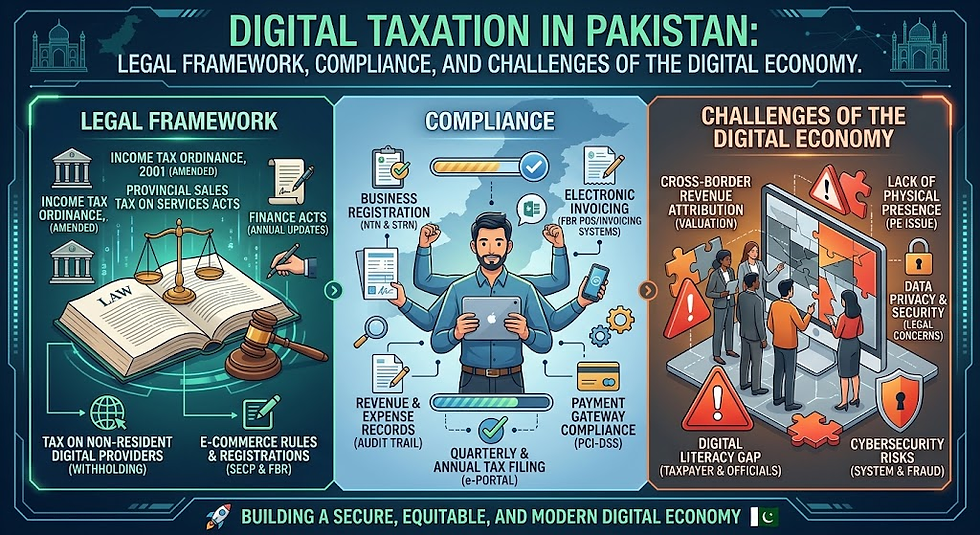
Tax Registration
Tax registration is one of the most important legal requirements for every business.
Businesses are generally required to obtain a tax registration number and comply with applicable taxation laws.
Depending on the nature of commercial activities, businesses may also require registration for sales tax or other applicable taxes under relevant legislation.
Proper tax registration enables businesses to issue invoices, maintain financial records, file tax returns, and demonstrate compliance with legal obligations.
Tax compliance also enhances business credibility and reduces the risk of future legal complications.
Opening a Business Bank Account
Maintaining a separate business bank account is an important aspect of legal and financial management.
A dedicated business account improves financial transparency, facilitates accounting, supports tax compliance, and separates personal finances from business operations.
Banks generally require business registration documents, tax registration information, and identification documents before opening commercial accounts.
Proper banking practices strengthen financial management and simplify regulatory compliance.
Licenses and Regulatory Approvals
Certain businesses require additional licenses, permits, or regulatory approvals before commencing operations.
The nature of these approvals depends upon the industry involved.
Businesses operating in sectors such as healthcare, pharmaceuticals, education, food production, telecommunications, transportation, financial services, environmental management, and manufacturing may be subject to specialized licensing requirements.
Obtaining the necessary approvals ensures that business activities comply with public safety standards, professional regulations, environmental requirements, and sector-specific legal obligations.
Failure to obtain mandatory licenses may result in enforcement action or operational restrictions.
Commercial Contracts
Contracts form the legal foundation of business relationships.
Entrepreneurs regularly enter into agreements with suppliers, customers, distributors, landlords, service providers, employees, consultants, and financial institutions.
Well-drafted contracts clearly define rights, obligations, payment terms, dispute resolution mechanisms, confidentiality requirements, and termination conditions.
Written agreements reduce misunderstandings and provide legal certainty if disputes arise.
Proper contractual documentation is therefore an essential component of business risk management.
Employment Law Compliance
Businesses employing workers must comply with applicable labor and employment laws.
Employment legislation governs recruitment, wages, working hours, leave entitlements, workplace safety, employee welfare, disciplinary procedures, and termination of employment.
Employers are expected to provide fair working conditions while complying with statutory obligations relating to employee benefits and workplace standards.
Compliance with labor laws contributes to positive employer-employee relationships and reduces the likelihood of legal disputes.
Responsible employment practices also enhance business reputation and workforce productivity.
Accounting and Record Keeping
Proper financial record keeping is both a legal requirement and a sound business practice.
Businesses should maintain accurate accounting records reflecting income, expenses, assets, liabilities, taxes, payroll, and commercial transactions.
Comprehensive records facilitate financial reporting, tax compliance, audits, banking relationships, and business planning.
Accurate documentation also provides valuable evidence if commercial disputes arise.
Good accounting practices strengthen internal management and support informed business decisions.
Intellectual Property Protection
Many businesses create valuable intellectual assets, including trademarks, logos, business names, software, designs, inventions, and creative works.
Protecting intellectual property helps prevent unauthorized use by competitors and strengthens commercial identity.
Registration of intellectual property rights, where applicable, provides legal recognition and enhances brand value.
Businesses investing in innovation should consider appropriate legal strategies for protecting their intellectual assets.
Intellectual property protection contributes to long-term competitiveness and commercial growth.
Consumer Protection Compliance
Businesses supplying goods or services must comply with consumer protection laws.
Consumers have legal rights regarding product quality, safety, accurate information, fair pricing, and honest advertising.
Businesses should avoid misleading representations, unfair commercial practices, and defective products.
Maintaining high standards of customer service and regulatory compliance reduces legal risk while strengthening customer confidence.
Responsible treatment of consumers contributes to sustainable commercial success.
Environmental Compliance
Certain industries must comply with environmental regulations designed to protect natural resources and public health.
Manufacturing facilities, industrial operations, construction projects, waste management businesses, and similar enterprises may require environmental approvals or compliance with environmental standards.
Environmental responsibility has become increasingly important in modern business management.
Compliance not only satisfies legal obligations but also demonstrates corporate responsibility and sustainable business practices.
Digital Businesses and Online Compliance
The rapid growth of digital commerce has expanded business opportunities throughout Pakistan.
Online retailers, digital service providers, software companies, freelancers, and e-commerce businesses remain subject to legal requirements similar to traditional businesses.
Digital businesses should maintain transparent terms of service, protect customer information, comply with applicable tax obligations, and honour contractual commitments.
As electronic commerce continues to expand, legal compliance in the digital environment has become increasingly significant.
Entrepreneurs operating online should remain aware of evolving regulatory requirements affecting electronic transactions and consumer protection.
Common Legal Mistakes Made by New Businesses
Many entrepreneurs focus heavily on commercial activities while overlooking legal compliance during the early stages of business development.
Some common mistakes include delaying business registration, failing to obtain tax registration, using poorly drafted contracts, neglecting intellectual property protection, maintaining inadequate financial records, operating without required licences, and ignoring employment obligations.
These issues may appear insignificant initially but often create substantial legal and financial risks as the business grows.
Seeking legal guidance at an early stage can prevent many future complications and support sustainable business development.
Benefits of Starting a Legally Registered Business
Operating a legally registered business offers numerous advantages beyond regulatory compliance.
Some of the major benefits include:
Greater credibility with customers, investors, suppliers, and financial institutions.
Easier access to business banking and financing facilities.
Legal recognition of ownership and commercial identity.
Better contractual protection and enforceability.
Eligibility for investment opportunities and business expansion.
Improved tax compliance and financial transparency.
Enhanced protection of business assets and intellectual property.
These advantages demonstrate why legal compliance should be viewed as an investment rather than merely a regulatory obligation.
Importance for Entrepreneurs and Law Students
Understanding business law benefits both entrepreneurs and legal professionals.
Entrepreneurs gain practical knowledge that enables them to establish legally compliant businesses, minimize commercial risks, and make informed strategic decisions.
Law students studying this subject develop valuable insight into company law, contract law, taxation, labor law, intellectual property, commercial regulation, and corporate governance.
As Pakistan's economy continues to diversify, legal expertise relating to business formation and regulatory compliance has become increasingly valuable across both private and public sectors.
Conclusion
Starting a business in Pakistan involves much more than developing a profitable idea. It requires careful attention to the legal requirements that govern business formation, registration, taxation, licensing, employment, consumer protection, and ongoing regulatory compliance. Choosing the appropriate business structure, completing the necessary registrations, maintaining proper financial records, complying with tax obligations, protecting intellectual property, and observing industry-specific regulations all contribute to building a legally sound and sustainable enterprise. These legal requirements not only reduce the risk of disputes and penalties but also strengthen credibility, improve access to finance, and support long-term business growth.
As Pakistan's commercial environment continues to evolve with technological advancement and expanding entrepreneurial opportunities, legal compliance remains an essential foundation for success. Entrepreneurs who understand and follow the applicable legal framework are better positioned to operate confidently, attract investment, and establish lasting business relationships. For law students, legal practitioners, business owners, and aspiring entrepreneurs, a thorough understanding of the legal requirements for starting a business in Pakistan provides valuable knowledge that supports responsible entrepreneurship, effective legal practice, and sustainable economic development.