
Mastering the Legal Journey: Your Ultimate Guide to Law Degrees, Careers, and Legal Excellence

Updated: Oct 1
Introduction
Law plays a central role in shaping society, protecting rights, resolving disputes, and maintaining order. Every nation relies on legal professionals who understand complex regulations and who can interpret and apply laws fairly. Because of this responsibility, studying law has always been one of the most respected academic paths in the world.
Many students dream of building a career in the legal field but are often confused about where to begin. Questions like which law degree to choose, how long it takes to become a lawyer, and which institutions provide the best legal education are common concerns for aspiring students.

Legal education today offers many options. Students can pursue undergraduate law programs, postgraduate degrees, specialized legal training, or research-based doctorates. The legal profession also offers a wide range of career paths, from courtroom advocacy and corporate legal consulting to academic research and international legal practice.
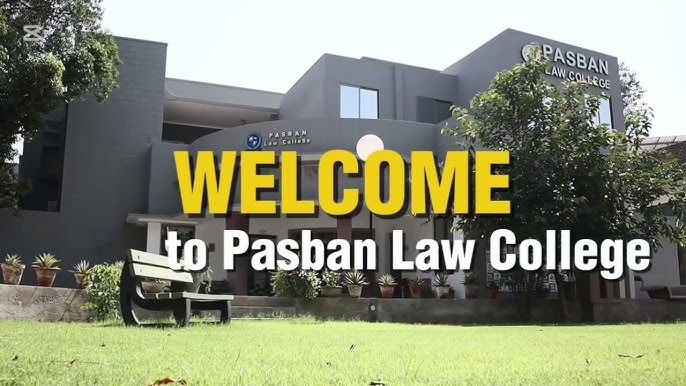
Institutions such as PASBAN LAW COLLEGE are committed to preparing future legal professionals with the knowledge, ethical values, and analytical skills required to succeed in the legal field. By offering structured academic programs and practical training, PASBAN LAW COLLEGE helps students develop the competence needed to thrive in modern legal systems.
This comprehensive guide explores the structure of legal education, different types of law degrees, career opportunities in the legal profession, and the academic journey students follow to become lawyers, barristers, or legal scholars.
Understanding Legal Education
Legal education is more than simply memorizing laws and statutes. It is an intellectual discipline that teaches students how to analyze problems, interpret legislation, construct arguments, and apply legal principles to real-world situations.
Students studying law develop several essential skills:
Critical thinking and analytical reasoning
Research and legal writing
Logical argument construction
Problem-solving abilities
Communication and advocacy skills
These abilities allow legal professionals to understand complex legal systems and provide guidance to individuals, organizations, and governments.
Modern law schools combine theoretical education with practical training. Students learn constitutional law, criminal law, civil procedure, legal ethics, and many other subjects that help them understand the structure of legal systems.
At PASBAN LAW COLLEGE, the focus of legal education extends beyond classroom lectures. Students are encouraged to participate in debates, legal research activities, mock trials, and practical exercises that simulate real legal practice. This combination of academic knowledge and professional training prepares graduates to enter the legal profession with confidence.
The Bachelor of Laws (LL.B)
The Bachelor of Laws is one of the most recognized undergraduate law degrees worldwide. It is often the first step for students who wish to pursue careers in legal practice, judiciary services, or legal consultancy.
An LL.B degree typically introduces students to the foundations of law, including:
Constitutional law
Criminal law
Contract law
Property law
Legal research methods
Jurisprudence
Students enrolled in an LL.B program learn how laws are created, interpreted, and enforced. They also gain insight into how legal systems function in society.
In many countries, the LL.B program takes three to five years depending on the academic structure. Some universities offer integrated programs that combine law with other disciplines such as political science or business studies.
PASBAN LAW COLLEGE provides a structured LL.B curriculum designed to help students develop both theoretical knowledge and professional legal skills. The college emphasizes legal reasoning, courtroom procedure, and ethical responsibilities, ensuring that students are well prepared for professional legal practice.
LL.B Honours and Specialized Legal Education
Many institutions offer an advanced version of the undergraduate law program known as LL.B Honours. This program usually includes deeper academic research, additional coursework, and specialized legal subjects.
Students pursuing an honours program often explore areas such as:
Corporate law
International law
Human rights law
Intellectual property law
Administrative law
These specialized subjects help students understand how legal principles operate in different sectors of society.
At PASBAN LAW COLLEGE, students are encouraged to explore specialized legal topics as they progress through their academic journey. Exposure to multiple areas of law allows graduates to discover their interests and pursue careers aligned with their strengths.
Legal education at this level also emphasizes research writing, case analysis, and participation in academic discussions. These experiences strengthen a student's ability to interpret complex legal problems and provide well-reasoned solutions.
Postgraduate Legal Education: The Master of Laws
After completing an undergraduate law degree, many students continue their studies with postgraduate legal education. One of the most respected advanced law degrees is the Master of Laws.
A postgraduate law degree allows students to specialize in particular fields and gain deeper expertise. This advanced level of study focuses on complex legal theories, international legal frameworks, and specialized professional areas.
Common fields of specialization include:
Corporate and commercial law
International law
Human rights law
Environmental law
Intellectual property law
Taxation law
Postgraduate legal education is especially beneficial for professionals who wish to work in multinational organizations, government institutions, or academic research.
PASBAN LAW COLLEGE supports students who wish to pursue advanced legal education by providing strong foundational training at the undergraduate level. Graduates who begin their legal journey at PASBAN LAW COLLEGE are well prepared to continue their studies in prestigious postgraduate programs around the world.
Juris Doctor and Professional Law Degrees
In some countries, particularly in North America, students pursue a professional law degree known as the Juris Doctor. This degree is typically required to practice law as an attorney.
The Juris Doctor program usually follows the completion of a bachelor's degree in another field. Students then enroll in a professional law program that focuses heavily on legal reasoning, case analysis, and courtroom practice.
The curriculum typically includes:
Constitutional law
Civil procedure
Criminal law
Legal writing
Professional ethics
The Juris Doctor program emphasizes practical legal training and prepares students for professional licensing examinations required to practice law.
Although the structure of legal education differs across countries, the goal remains the same: preparing individuals who can interpret laws, defend rights, and contribute to the justice system.
Institutions like PASBAN LAW COLLEGE contribute to this global mission by nurturing students who understand both national legal systems and international legal principles.
Research Degrees in Law
For students interested in academic research or legal scholarship, doctoral degrees in law provide opportunities to explore complex legal theories and contribute to the development of legal knowledge.
Doctoral programs often involve extensive research and dissertation writing. Students may study topics such as constitutional reforms, international dispute resolution, legal philosophy, or comparative legal systems.
These programs develop experts who can teach in universities, contribute to policy development, and influence the evolution of legal systems.
PASBAN LAW COLLEGE encourages a culture of research and academic curiosity among its students. By fostering critical thinking and analytical research skills, the institution prepares graduates who may later pursue advanced research degrees and contribute to the field of legal scholarship.
The Importance of Law Universities and Colleges
Law schools play a critical role in shaping the future of legal professionals. The quality of legal education directly influences how effectively lawyers serve society.
A strong law institution provides:
Qualified faculty members
Practical training opportunities
Moot court experiences
Access to legal research resources
Ethical guidance and professional mentorship
PASBAN LAW COLLEGE strives to provide a learning environment that combines academic excellence with practical legal training. The institution focuses on preparing students not only to understand the law but also to apply it responsibly in professional practice.
Students who study at PASBAN LAW COLLEGE benefit from an educational environment designed to promote intellectual growth, legal reasoning, and ethical responsibility.
Preparing for Legal Practice
Legal education is only the beginning of a lawyer’s journey. Professional training is an essential step that allows graduates to transition from academic study to real-world legal practice.
Training programs often include internships, legal apprenticeships, or professional legal training courses. These experiences allow graduates to work under experienced legal practitioners and gain practical knowledge of courtroom procedures and legal documentation.
Through structured training and mentorship, future lawyers learn how to apply legal principles to real cases and serve clients effectively.
PASBAN LAW COLLEGE recognizes the importance of practical experience and encourages students to engage in internships, legal clinics, and professional training opportunities that strengthen their readiness for legal careers.
Practical training also helps students develop professional networks that may support their future careers.
Areas of Legal Specialization
The legal profession offers a wide range of specialization opportunities. As societies become more complex, the demand for legal experts in specialized fields continues to grow.
Many law graduates choose to specialize in specific areas depending on their interests and career goals.
Business law is one of the most popular specializations. Lawyers in this field assist companies with contracts, corporate governance, mergers, and regulatory compliance.
Commercial law focuses on business transactions, trade regulations, and financial agreements between organizations.
International law deals with legal relations between countries and international organizations. Lawyers specializing in this field may work with diplomatic institutions, global organizations, or international courts.
Intellectual property law protects inventions, trademarks, and creative works. Legal professionals in this field help businesses and individuals safeguard their innovations.
Administrative law focuses on the actions and regulations of government agencies. Lawyers in this field often work on cases involving government decisions and regulatory compliance.
PASBAN LAW COLLEGE provides students with exposure to these diverse areas of law. By studying multiple legal disciplines, students gain the flexibility to pursue specialized careers that match their professional ambitions.
Online Legal Education
Technological advancements have transformed the way education is delivered, and legal education is no exception. Many institutions now offer online law courses and virtual learning opportunities that allow students to study law remotely.
Online legal education provides flexibility for students who may be working professionals or individuals who cannot attend traditional campus programs.
Through online learning platforms, students can access lectures, legal resources, research materials, and interactive discussions with instructors and fellow students.
However, legal education often benefits from in-person discussions, courtroom simulations, and direct interaction with faculty members. These elements help students develop the practical skills necessary for legal practice.
PASBAN LAW COLLEGE recognizes the importance of integrating modern technology into education while maintaining the interactive learning environment that law students need.
By combining traditional teaching methods with modern educational tools, PASBAN LAW COLLEGE ensures that students receive a balanced and effective legal education.
Studying Law: Skills Developed During Legal Education
Studying law develops a unique set of skills that are valuable not only in the legal profession but also in many other fields.
One of the most important skills developed during legal education is analytical thinking. Law students learn how to evaluate complex situations, identify legal issues, and apply legal principles to solve problems.
Another essential skill is research. Lawyers must examine legal precedents, statutes, and regulations in order to build strong legal arguments.
Communication skills are equally important. Lawyers must present arguments clearly and persuasively in both written and verbal forms.
Legal education also teaches discipline and attention to detail. Even small errors in legal interpretation can have significant consequences, so accuracy is essential.
Students studying at PASBAN LAW COLLEGE receive training that focuses on developing these critical skills. Through structured coursework and academic activities, students gradually build the expertise required to succeed in the legal profession.
The Role of Law in Society
Law serves as the foundation of organized societies. It establishes rules that govern behavior, protect rights, and ensure justice.
Legal systems regulate relationships between individuals, businesses, and governments. Without law, societies would struggle to maintain order and fairness.
Lawyers play a crucial role in this system. They help interpret laws, represent clients, resolve disputes, and advocate for justice.
Legal professionals may work in various sectors including private law firms, government agencies, international organizations, and nonprofit institutions.
By pursuing legal education at institutions such as PASBAN LAW COLLEGE, students become part of a profession dedicated to upholding justice and protecting the rights of individuals.
The knowledge and skills gained through legal education empower graduates to contribute positively to society and support the rule of law.
Paralegal and Legal Assistant Careers
Not all careers in law require becoming a fully qualified lawyer. Paralegals and legal assistants play a vital role in the legal system by supporting lawyers, law firms, and corporate legal departments.
Paralegals perform tasks such as:
Conducting legal research
Drafting contracts and legal documents
Managing case files
Assisting in courtroom preparation
Coordinating with clients and witnesses
Legal assistants provide administrative support, ensuring that the operations of law offices and legal departments run smoothly. Their work allows lawyers to focus on complex legal analysis and courtroom representation.
Education for paralegals and legal assistants can be pursued through certificate courses, diplomas, or online programs. Many programs focus on practical skills such as legal documentation, court procedures, and research techniques.
PASBAN LAW COLLEGE offers comprehensive training programs for aspiring paralegals and legal assistants. Students can gain practical experience through internships and simulated legal exercises, preparing them for professional roles in both private and public sectors.
A career as a paralegal or legal assistant can also serve as a stepping stone toward becoming a full lawyer, providing early exposure to legal practice and developing critical professional skills.
Continuing Legal Education
The legal profession is continuously evolving. New laws, regulations, and legal interpretations require lawyers to stay updated throughout their careers. Continuing Legal Education (CLE) programs provide this ongoing learning.
CLE courses are designed to:
Update legal professionals on recent laws and regulations
Develop advanced skills in specialized areas of law
Strengthen ethical and professional responsibilities
Enhance practical knowledge in litigation, corporate law, or international law
Participating in CLE programs is often mandatory for licensed lawyers to maintain their certification. These programs help legal professionals remain competent and effective in their practice.
PASBAN LAW COLLEGE encourages alumni and practicing lawyers to engage in lifelong learning through continuing education programs. By providing access to workshops, seminars, and advanced legal courses, the college supports professional growth and skill development.
The Future of Legal Education
The field of legal education is transforming rapidly due to technological advances, globalization, and evolving societal needs. Online platforms, virtual classrooms, and interactive learning tools have made legal education more accessible than ever.
Future legal education is expected to emphasize:
Online and hybrid learning models
Practical skill development and experiential learning
Specialization in niche legal areas such as cyber law and environmental law
Integration of artificial intelligence and legal technology into curriculum
Students who adapt to these emerging trends will be better prepared for the modern legal profession. Institutions that combine rigorous academic training with practical experience will produce graduates who are ready to meet the challenges of a dynamic legal landscape.
PASBAN LAW COLLEGE embraces these changes by offering a curriculum that integrates technology, practical exercises, and expert guidance. Students gain exposure to both traditional legal practice and modern legal innovations, ensuring they are well-prepared for the future.
Why Choose PASBAN LAW COLLEGE
PASBAN LAW COLLEGE stands out as a premier institution for legal education due to its commitment to academic excellence, professional development, and ethical training.
Key reasons to choose PASBAN LAW COLLEGE include:
Comprehensive Curriculum
The college offers undergraduate and postgraduate programs covering all major legal disciplines, including corporate law, international law, intellectual property, and administrative law. Students gain a solid foundation while exploring specialized areas of interest.
Expert Faculty
PASBAN LAW COLLEGE employs experienced faculty members with extensive legal practice and academic expertise. Faculty members mentor students, provide personalized guidance, and share insights from real-world legal experiences.
Practical Training Opportunities
The college emphasizes experiential learning through moot courts, internships, and legal clinics. Students gain firsthand experience in courtroom procedures, legal drafting, and professional practice.
Flexible Learning Options
Recognizing the needs of modern students, PASBAN LAW COLLEGE offers online courses, hybrid programs, and flexible schedules that accommodate working professionals and remote learners.
Career Support and Guidance
Students receive guidance on professional licensing, career planning, and job placements. PASBAN LAW COLLEGE actively connects graduates with law firms, corporate legal departments, and government institutions.
Research and Academic Excellence
For students interested in advanced studies, the college supports research projects, publications, and participation in international conferences. Graduates can pursue LLM, PhD, or Juris Doctor programs worldwide.
Focus on Ethics and Professional Responsibility
Legal education at PASBAN LAW COLLEGE emphasizes ethical practice, integrity, and responsibility. Students develop the moral framework needed to serve justice and protect societal interests.
By choosing PASBAN LAW COLLEGE, students join a community dedicated to excellence, innovation, and legal scholarship.
Career Paths After Law School
A law degree opens doors to a wide range of career opportunities. Graduates can choose from multiple legal paths depending on their interests and expertise.
Lawyer or Attorney: Represent clients, provide legal advice, and appear in courts. Specializations include criminal law, civil litigation, corporate law, family law, or human rights.
Barrister: Focus on courtroom advocacy and litigation, representing clients in higher courts.
Judge or Magistrate: Apply expertise to make decisions on complex legal disputes.
Legal Consultant: Advise businesses, governments, and organizations on regulatory compliance, contracts, and corporate governance.
Academic or Researcher: Teach in universities, contribute to policy development, or conduct legal research.
Paralegal or Legal Assistant: Provide critical support in legal practice, often a stepping stone toward full qualification.
International Law and Diplomacy: Work with international organizations, NGOs, or multinational corporations on treaties, trade regulations, and human rights issues.
PASBAN LAW COLLEGE prepares students for all these career paths by providing strong academic foundations, practical experience, and professional mentoring.
Steps to Pursue a Successful Legal Career
Choose the Right Law Program
Begin with a recognized undergraduate law degree from an institution like PASBAN LAW COLLEGE.
Specialize in Areas of Interest
Explore legal fields such as corporate law, international law, or intellectual property to align with career goals.
Engage in Practical Training
Participate in internships, moot courts, and professional legal training to gain hands-on experience.
Obtain Licenses and Certification
Fulfill professional requirements, pass bar exams, and complete any mandatory legal training programs.
Commit to Continuing Education
Stay updated with new legal developments through CLE programs, workshops, and research activities.
Develop Professional Networks
Connect with mentors, alumni, and professionals in the legal community to enhance career opportunities.
Pursue Advanced Degrees if Desired
Consider LLM, PhD, or Juris Doctor programs to further specialization and open additional career paths.
PASBAN LAW COLLEGE guides students through each of these steps, ensuring a smooth transition from academic study to professional success.
Conclusion
Legal education is a lifelong journey that combines academic rigor, practical training, and ethical responsibility. Choosing the right institution is crucial for success, and PASBAN LAW COLLEGE provides a comprehensive environment for aspiring legal professionals.
Whether you aim to become a lawyer, barrister, legal consultant, paralegal, or academic researcher, the college offers programs, mentorship, and resources to achieve your goals.
The future of law demands adaptability, expertise, and commitment. By studying at PASBAN LAW COLLEGE, students receive the knowledge, skills, and experience needed to thrive in a complex legal world.
Investing in legal education at PASBAN LAW COLLEGE is an investment in your future. With the right training, guidance, and professional support, graduates are well-equipped to make a meaningful impact on society and pursue fulfilling, prestigious careers in law.
PASBAN LAW COLLEGE is more than just an institution; it is a community


