Mercantile Law and Its Role in Strengthening Economic Stability: A Comprehensive Analysis

Updated: Oct 1

Mercantile Law, also known as Commercial Law, is the legal backbone of modern economic systems. It regulates trade, business transactions, corporate conduct, financial dealings, and commercial relationships. Without it, markets would operate in uncertainty, increasing disputes, fraud, and instability. Economic stability depends on predictable legal frameworks where rights and obligations are clearly defined and enforceable.
In a globalized economy dominated by cross-border trade, digital transactions, and multinational corporations, mercantile law ensures consistency, fairness, and trust. It reduces commercial risks and strengthens investor confidence, which directly contributes to economic growth.
Historical Development of Mercantile Law
Mercantile law has evolved over centuries. In ancient times, trade was governed by customs and informal merchant practices. These early systems relied on trust and community enforcement rather than formal courts.
During the medieval era, the Lex Mercatoria (Law Merchant) emerged as a universal set of commercial customs used by traders across Europe. It provided standardized rules for trade fairs and cross-border transactions.
With industrialization, nations began codifying commercial rules into formal statutes. England played a significant role in shaping modern mercantile law, which later influenced legal systems across South Asia, including Pakistan.
Today, mercantile law includes domestic legislation, international conventions, and regulatory frameworks covering banking, contracts, corporate governance, and digital commerce.
Core Principles of Mercantile Law
Mercantile law is built on foundational principles that ensure fairness and efficiency in trade.
The principle of freedom of contract allows parties to enter agreements voluntarily, promoting entrepreneurship and market flexibility.
The principle of good faith ensures honesty in commercial dealings, discouraging fraud, misrepresentation, and unethical practices.
The principle of certainty ensures that legal obligations are clear, reducing ambiguity in contracts and business transactions.
The principle of enforceability guarantees that courts and legal systems provide remedies when agreements are violated.
These principles collectively create a stable business environment that supports long-term economic development.
Mercantile Law and Contractual Stability
Contracts are the foundation of commerce, and mercantile law ensures their validity and enforcement. Economic systems rely heavily on the trust that agreements will be honored.
Mercantile law defines the formation, execution, and enforcement of contracts. It provides remedies such as damages, injunctions, and specific performance when breaches occur.
This legal certainty encourages businesses to invest, expand, and enter long-term partnerships. Without enforceable contracts, businesses would face high risks, discouraging economic activity and investment.
Business Regulation Under Mercantile Law
Mercantile law regulates multiple aspects of business operations, including company formation, partnerships, trade practices, and insolvency procedures.
Corporate law ensures transparency, accountability, and governance within companies. It protects shareholders and ensures responsible management.
Partnership laws define rights and responsibilities among business partners, minimizing internal conflicts.
Sales of goods laws regulate transactions between buyers and sellers, ensuring fairness and product quality standards.
Negotiable instruments laws facilitate financial transactions through instruments like checks and promissory notes, ensuring liquidity in the economy.
Insolvency laws provide structured procedures for handling financial distress, balancing the interests of creditors and debtors while maintaining economic order.
Mercantile Law and Financial System Stability
A stable financial system is essential for economic growth, and mercantile law provides the legal structure for financial institutions.
Banking regulations ensure that banks maintain liquidity, manage risks, and operate responsibly. This prevents financial crises caused by mismanagement.
Securities laws protect investors from fraud, insider trading, and market manipulation, increasing trust in capital markets.
Insurance laws help individuals and businesses manage risk, contributing to financial resilience.
By regulating financial systems, mercantile law ensures stability, reduces systemic risk, and supports sustainable economic growth.
Role in Trade and International Commerce
Trade is the backbone of economic development, and mercantile law facilitates both domestic and international trade.
It establishes standardized rules for import-export operations, trade contracts, and customs procedures. This reduces confusion and disputes in cross-border transactions.
International trade laws and arbitration systems allow disputes to be resolved efficiently without lengthy court battles.
By ensuring legal certainty in global trade, mercantile law promotes foreign partnerships, exports, and global economic integration.
Consumer Protection and Market Trust
Consumer protection laws are a crucial part of mercantile law that ensure fair market practices.
These laws regulate product quality, pricing, advertising, and business ethics. They protect consumers from fraud, misleading information, and defective goods.
When consumers trust the market, demand increases, leading to higher production and economic growth.
Consumer protection also ensures that businesses compete fairly, improving overall market efficiency and stability.
Mercantile Law in the Digital Economy
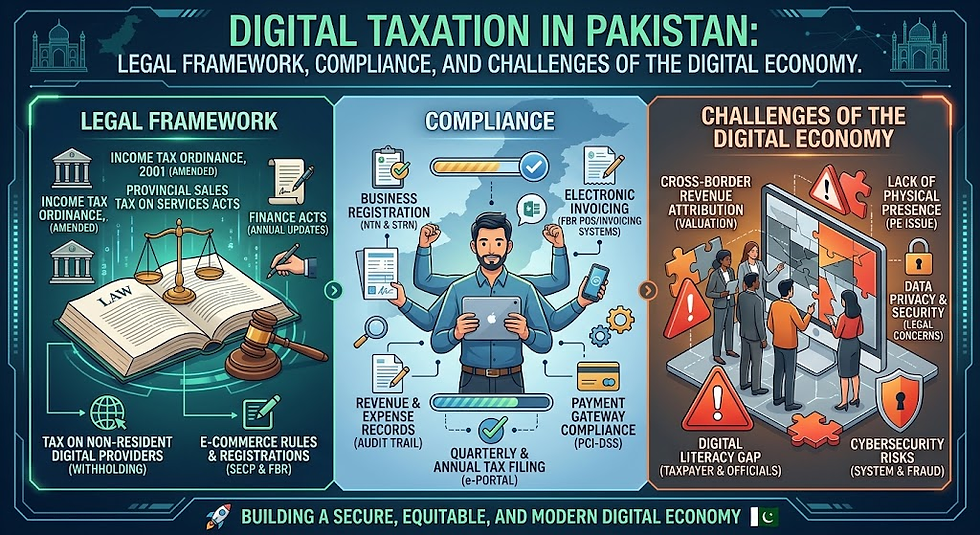
The digital economy has expanded the scope of mercantile law significantly. Online commerce, digital contracts, and electronic payments require updated legal frameworks.
E-commerce laws regulate online transactions and protect consumers in digital marketplaces.
Cybersecurity regulations safeguard businesses and individuals from data breaches and cyber fraud.
Electronic signature laws validate digital contracts, making online business legally enforceable.
As technology evolves, mercantile law continues adapting to ensure stability in digital markets.
Dispute Resolution Mechanisms
Commercial disputes are inevitable, but mercantile law provides structured solutions to resolve them efficiently.
Courts handle contractual and commercial disputes through legal proceedings, ensuring justice and accountability.
Alternative dispute resolution methods such as arbitration and mediation offer faster and cost-effective solutions.
These mechanisms reduce legal delays and help businesses maintain continuity, which is essential for economic stability.
Foreign Investment and Legal Security
Foreign investment is essential for economic development, and mercantile law provides the legal assurance required by investors.
Strong legal systems protect property rights, enforce contracts, and ensure fair taxation policies.
Investors are more likely to invest in countries where commercial laws are transparent and enforceable.
This leads to job creation, infrastructure development, and increased economic activity.
Challenges in Mercantile Law Implementation
Despite its importance, mercantile law faces several challenges in implementation.
Outdated legal frameworks can fail to address modern business practices.
Slow judicial processes create delays in dispute resolution, reducing investor confidence.
Lack of awareness among businesses leads to non-compliance and legal risks.
Technological advancements also create gaps in existing laws, requiring continuous updates and reforms.
Reforms and Modernization
Modern economies require continuous reforms in mercantile law to remain effective.
Governments are focusing on simplifying business regulations and improving the ease of doing business.
Digital transformation of legal systems is making contract enforcement and dispute resolution more efficient.
International harmonization of commercial laws is improving global trade relations.
These reforms strengthen economic stability by creating a more efficient and transparent legal environment.
Conclusion
Mercantile law is the foundation of economic stability. It regulates business activities, enforces contracts, protects consumers, and ensures financial system security. By providing a structured legal framework, it reduces uncertainty and promotes trust in commercial relationships.
From historical trade systems to modern digital economies, mercantile law has continuously evolved to meet changing economic needs. It plays a vital role in attracting investment, supporting trade, and maintaining market confidence.
Ultimately, no economy can achieve long-term stability without a strong mercantile legal system. It is the invisible structure that holds together business confidence, financial security, and sustainable economic growth.