Navigating Legal Risks in Modern Business Practices: A Comprehensive Guide to Compliance and Risk Management

Updated: Oct 1

Introduction to Legal Risks in Contemporary Business Environment
In today’s fast-paced and highly competitive global economy, businesses operate in an environment filled with complex legal frameworks, regulatory requirements, and evolving compliance standards. The rise of digital transformation, international trade, data-driven decision-making, and cross-border transactions has significantly increased the exposure of organizations to legal risks. Navigating Legal Risks in Contemporary Business Practices is no longer optional; it is a strategic necessity for survival, sustainability, and long-term growth. Companies that fail to identify and manage legal risks often face financial penalties, reputational damage, operational disruptions, and even business closure.
Understanding the Concept of Legal Risk in Business
Legal risk refers to the possibility of financial loss, penalties, or reputational harm arising from a company’s failure to comply with laws, regulations, contractual obligations, or ethical standards. It also includes risks arising from litigation, regulatory investigations, and contractual disputes. In contemporary business practices, legal risk is not limited to court cases but extends to corporate governance, employment practices, data protection, consumer rights, and environmental compliance. Businesses today must consider legal risk as an integral part of strategic planning rather than a reactive concern.
Key Sources of Legal Risks in Modern Business Practices
Legal risks originate from multiple internal and external sources. Internally, poor governance, weak internal controls, lack of employee training, and inadequate contract management can expose businesses to legal liabilities. Externally, changing regulations, government policies, industry standards, and international laws create additional compliance challenges. Moreover, technological advancements such as artificial intelligence, e-commerce platforms, and digital payment systems introduce new legal complexities related to privacy, cybersecurity, and intellectual property rights.
Regulatory Compliance and Its Growing Importance
Regulatory compliance is one of the most significant areas of legal risk management. Governments across the world are continuously updating laws related to taxation, labor rights, consumer protection, and financial reporting. In Pakistan and other developing economies, regulatory frameworks are also evolving to align with global standards. Businesses must ensure compliance with corporate laws, securities regulations, anti-money laundering rules, and competition laws. Non-compliance can lead to severe penalties, suspension of operations, and loss of business licenses. Therefore, organizations must establish dedicated compliance departments to monitor regulatory changes and implement necessary adjustments.
Contractual Risks in Business Transactions
Contracts form the backbone of commercial relationships. However, poorly drafted or ambiguous contracts can lead to significant legal disputes. Contractual risks arise when parties fail to fulfill their obligations, misunderstand terms, or engage in bad faith negotiations. In contemporary business practices, companies must ensure that all agreements are clearly drafted, legally enforceable, and aligned with applicable laws. Key areas of concern include payment terms, delivery schedules, dispute resolution clauses, and termination conditions. Effective contract management systems help reduce misunderstandings and ensure smooth business operations.
Employment and Labor Law Risks
Employment-related legal risks are increasingly significant in modern organizations. Issues such as wrongful termination, workplace discrimination, harassment, wage disputes, and unsafe working conditions can result in litigation and reputational harm. With growing awareness of employee rights and labor laws, businesses are expected to maintain fair and transparent HR policies. Compliance with employment regulations not only protects organizations from legal claims but also enhances employee satisfaction and productivity. Regular training, clear workplace policies, and proper documentation are essential tools for minimizing labor-related risks.
Data Protection and Cybersecurity Risks
The digital revolution has introduced new dimensions of legal risk, particularly in the area of data protection and cybersecurity. Businesses collect, store, and process large volumes of personal and financial data, making them vulnerable to cyberattacks, data breaches, and unauthorized access. Laws governing data privacy require companies to implement strict security measures and obtain proper consent from users. Failure to protect sensitive information can result in legal penalties and loss of customer trust. Organizations must invest in cybersecurity infrastructure, encryption technologies, and data governance frameworks to mitigate these risks effectively.
Intellectual Property Risks in a Knowledge-Based Economy
In today’s knowledge-driven economy, intellectual property (IP) is one of the most valuable business assets. IP risks arise when companies fail to protect their trademarks, patents, copyrights, and trade secrets. Unauthorized use, plagiarism, and infringement can lead to significant financial losses and legal disputes. Businesses must take proactive measures such as registering intellectual property rights, monitoring market activities, and enforcing legal action against violators. Proper IP management ensures innovation protection and competitive advantage in the market.
Financial and Tax Compliance Risks
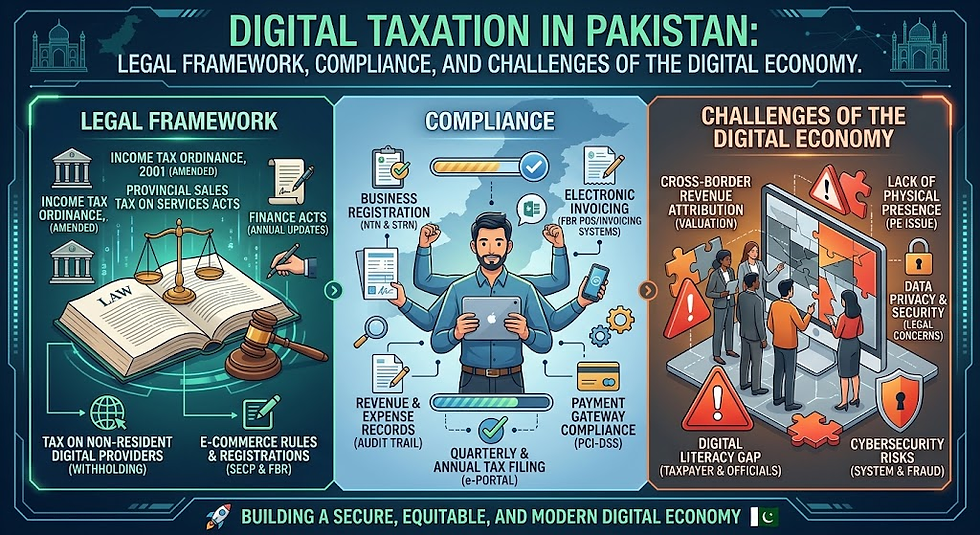
Financial mismanagement and tax non-compliance are major sources of legal risk for businesses. Governments impose strict tax regulations to ensure fair revenue collection and economic stability. Failure to maintain accurate financial records or submit timely tax returns can result in audits, fines, and legal action. Additionally, fraudulent financial reporting can damage investor confidence and lead to regulatory investigations. Businesses must adopt transparent accounting practices, conduct regular audits, and ensure compliance with tax obligations to minimize financial risks.
Consumer Protection and Product Liability Risks
Consumer protection laws are designed to safeguard customers from unfair trade practices, defective products, and misleading advertising. Businesses face legal risks when their products or services cause harm to consumers or fail to meet safety standards. Product liability claims can result in costly litigation and reputational damage. To mitigate these risks, companies must ensure quality control, transparent marketing practices, and compliance with consumer protection regulations. Providing clear product information and maintaining ethical business conduct are essential for reducing liability exposure.
Environmental and Sustainability Compliance Risks
Environmental regulations have become increasingly important in modern business operations. Companies are required to comply with laws related to pollution control, waste management, and sustainable resource usage. Environmental legal risks arise when businesses fail to meet these obligations, leading to fines, sanctions, and public backlash. In addition, global emphasis on sustainability has made environmental responsibility a key factor in corporate reputation. Businesses must adopt eco-friendly practices, conduct environmental impact assessments, and integrate sustainability into their core strategies.
Litigation and Dispute Resolution Risks
Litigation is one of the most direct forms of legal risk faced by businesses. Disputes may arise from contractual disagreements, employment issues, regulatory violations, or commercial conflicts. Court cases can be time-consuming, expensive, and damaging to a company’s reputation. As a result, many organizations are shifting toward alternative dispute resolution mechanisms such as arbitration and mediation. These methods are faster, more cost-effective, and confidential, making them an attractive option for modern businesses seeking to avoid lengthy litigation processes.
Role of Corporate Governance in Managing Legal Risks
Strong corporate governance plays a crucial role in minimizing legal risks. It involves a system of rules, practices, and processes by which a company is directed and controlled. Effective governance ensures accountability, transparency, and ethical decision-making within the organization. Boards of directors, audit committees, and compliance officers are responsible for overseeing legal and regulatory adherence. Companies with strong governance structures are better equipped to identify risks early and implement preventive measures.
Risk Management Strategies for Businesses
To effectively navigate legal risks, businesses must adopt a proactive risk management approach. This includes conducting regular legal audits, implementing compliance programs, training employees, and establishing clear internal policies. Risk assessment tools help identify potential legal vulnerabilities and prioritize corrective actions. Additionally, businesses should engage legal professionals and consultants to provide expert guidance on complex regulatory matters. A well-structured risk management system not only reduces legal exposure but also enhances operational efficiency.
Importance of Legal Awareness in Business Culture
Legal awareness is a critical component of modern business culture. Employees at all levels should have a basic understanding of relevant laws and regulations affecting their roles. Training programs, workshops, and internal communication systems help promote a culture of compliance and responsibility. When legal awareness is embedded in organizational culture, businesses are less likely to commit unintentional violations and more likely to respond effectively to legal challenges.
Technology and Legal Risk Management
Technology plays a significant role in modern legal risk management. Advanced software solutions enable businesses to track compliance, manage contracts, monitor regulatory updates, and detect potential risks in real time. Artificial intelligence and data analytics are increasingly being used to predict legal issues before they arise. However, technology itself introduces new legal risks, particularly in areas such as data privacy and algorithmic accountability. Therefore, businesses must balance technological innovation with legal safeguards.
Conclusion
Navigating Legal Risks in Contemporary Business Practices is essential for ensuring long-term stability, profitability, and sustainability in today’s complex business environment. Legal risks arise from multiple sources including regulatory compliance, contracts, employment, data protection, intellectual property, taxation, and environmental obligations. Businesses that proactively manage these risks through strong governance, effective compliance systems, employee awareness, and technological tools are better positioned to succeed in competitive markets. Ultimately, legal risk management is not merely about avoiding penalties but about building a resilient, ethical, and future-ready organization capable of adapting to continuous legal and regulatory change.