Shaping Legal Minds: Comprehensive Guide to Careers, Degrees, and Opportunities at Pasban Law College
- Muhammad Sheraz Khurshid
- Feb 27
- 14 min read

Updated: May 7
1. Introduction to Legal Education and Its Importance
Law is the cornerstone of society, governing relationships, rights, responsibilities, and justice. Studying law goes beyond memorizing statutes and precedents; it is about understanding human behavior, social structures, and mechanisms for conflict resolution. A career in law allows individuals to shape societies, defend rights, and influence policies that impact millions. Legal education equips students with analytical thinking, reasoning, and ethical judgment. Through law, one learns to navigate complex societal structures, balance competing interests, and ensure justice prevails. For those aspiring to make a meaningful contribution, legal studies provide both the knowledge and practical skills necessary to influence change.
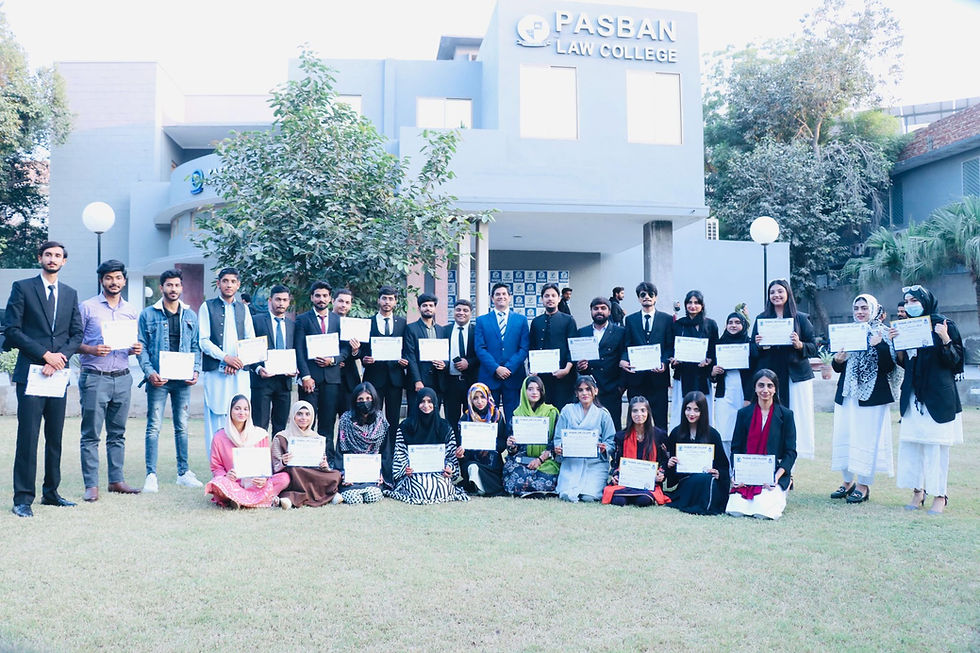
Pasban Law College has emerged as a premier institution dedicated to producing competent and socially responsible legal professionals. By offering a wide range of programs, state-of-the-art facilities, and hands-on training, the college ensures that every student is prepared to meet the demands of an evolving legal landscape.
2. Choosing Pasban Law College: A Premier Institution
Selecting the right college is crucial for a student’s academic and professional development. Pasban Law College offers a robust curriculum, experienced faculty, and a supportive environment that fosters growth and learning. The college’s mission is to create legal professionals who are not only knowledgeable but also ethical and socially conscious.
Facilities and Resources
The college provides modern classrooms, expansive libraries, research databases, and access to virtual learning platforms. These facilities enable students to engage deeply with the study of law and prepare for real-world challenges. Students also benefit from career guidance, mentorship programs, and practical workshops, which bridge the gap between theory and practice.
Faculty and Mentorship
The faculty at Pasban Law College comprises experienced practitioners, scholars, and legal researchers. Their guidance ensures students are exposed to diverse perspectives, from local statutes to international legal frameworks. Mentorship programs allow students to develop professional networks, receive career advice, and gain hands-on experience.
Student Success Stories
Many alumni have gone on to become influential lawyers, judges, policymakers, and legal scholars. Pasban Law College emphasizes both academic excellence and professional development, ensuring that graduates leave well-prepared for a successful legal career.
3. Undergraduate Degrees in Law
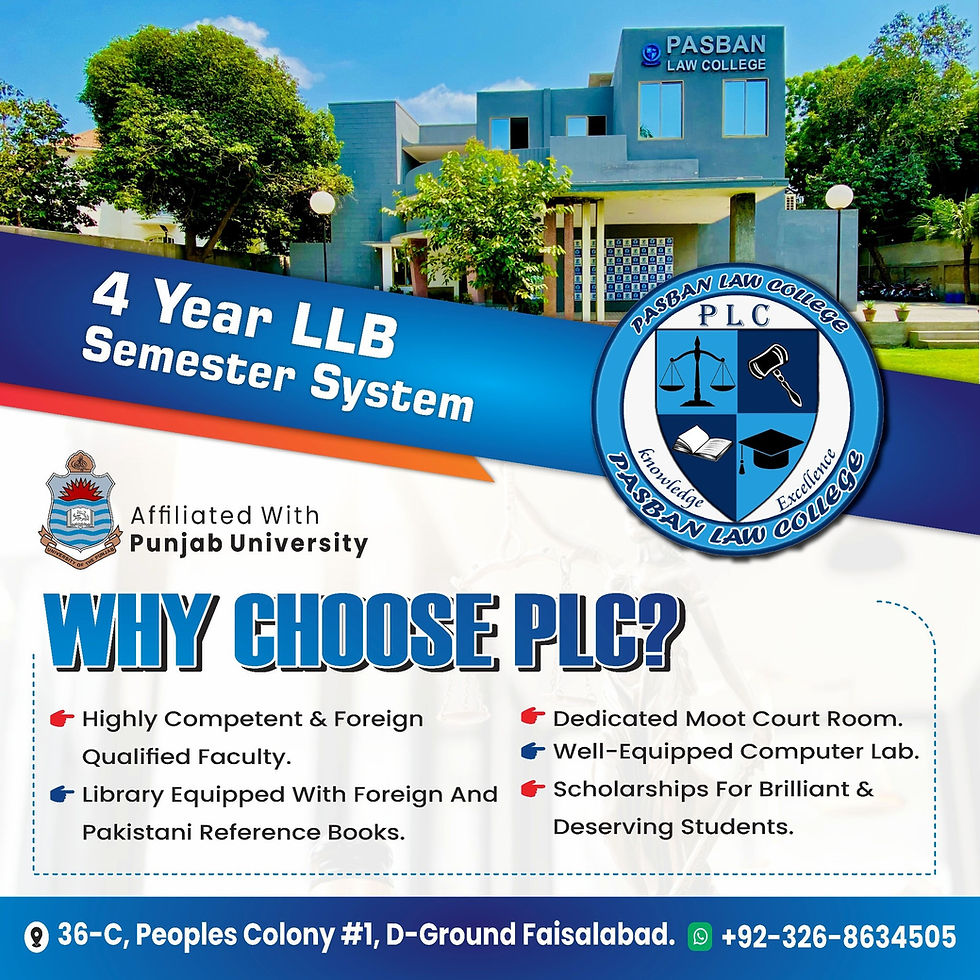
Undergraduate programs are the foundation of a legal education. At Pasban Law College, students can choose from a variety of law degrees, including the Bachelor of Laws (LLB), BA in Law, and related programs.
Bachelor of Laws (LLB)
The LLB is the most recognized undergraduate law degree, providing comprehensive knowledge of legal principles, procedures, and ethics. Students explore topics such as criminal law, civil law, constitutional law, administrative law, and commercial law.
BA in Law and Alternative Programs
Integrated programs like BA LL.B. combine legal education with liberal arts, offering broader perspectives. These courses help students develop strong communication, critical thinking, and analytical skills, which are essential for legal practice.
Curriculum and Study Approach
The curriculum emphasizes a balance between theoretical knowledge and practical application. Students engage in case studies, legal research, moot courts, and internships, which prepare them for professional challenges. Class discussions and collaborative projects encourage analytical thinking and problem-solving skills.
4. Postgraduate Legal Education
For students seeking advanced expertise, postgraduate programs like the Master of Laws (LLM) or Masters in Law provide in-depth study of specialized areas. These programs are ideal for those interested in careers in academia, research, or specialized legal practice.
LLM and Specializations
Students can pursue specializations in corporate law, intellectual property, international law, human rights, environmental law, and more. Coursework includes research methodology, comparative legal studies, and advanced topics in chosen fields.
Doctoral Programs (PhD in Law)
For aspiring legal scholars, doctoral programs offer opportunities to contribute original research. PhD candidates engage in in-depth studies on legal theory, emerging legislation, or comparative law. Pasban Law College supports doctoral students with access to resources, mentorship, and academic collaborations.
Juris Doctor (JD) Programs
JD programs provide professional preparation for students who intend to practice law directly. These programs combine coursework with practical experience, preparing graduates for bar exams and licensing requirements.
5. Professional Law Training: Bridging Theory and Practice
While academic degrees provide foundational knowledge, professional legal training ensures students develop the skills necessary to succeed in practice. The transition from theory to practical application is essential for any aspiring lawyer, and Pasban Law College emphasizes this through structured programs and experiential learning.
Bar Professional Training Course (BPTC)
The BPTC course is designed for students who wish to become barristers. It focuses on advocacy, drafting, negotiation, and courtroom procedure. Students learn to present arguments persuasively, understand procedural rules, and analyze case law. Pasban Law College integrates moot court simulations within this program, providing students with a realistic environment to practice their skills.
Legal Practice Course (LPC)
For those aiming to become solicitors, the LPC course bridges academic law studies with the requirements of legal practice. The curriculum includes client interaction, legal research, drafting of legal documents, and ethical obligations. LPC students at Pasban Law College gain access to supervised practical exercises, which enhance their readiness for employment in law firms or corporate legal departments.
Practical Legal Training (PLT)
PLT programs provide students with hands-on experience in law offices, courts, and legal aid organizations. This training emphasizes applied skills like client counseling, case management, and dispute resolution. Through internships and supervised practice, students develop confidence and competence in real-world legal scenarios.
Continuing Legal Education (CLE)
Legal education is a lifelong pursuit. CLE programs ensure that practicing lawyers remain updated with legislative changes, landmark cases, and emerging areas of law. Pasban Law College encourages alumni and professionals to participate in workshops, seminars, and online courses. This commitment to continuing education helps legal practitioners maintain professional standards and adapt to evolving legal environments.
6. Specializations in Law: Tailoring Your Career
Law is a diverse field, and specialization allows students to align their education with career aspirations. Pasban Law College offers guidance and resources to explore multiple areas, enabling students to find their niche.
Corporate Law
Corporate law governs business activities, including mergers, acquisitions, contracts, and regulatory compliance. Students in this specialization learn about company law, corporate governance, and commercial transactions. Corporate lawyers often work in law firms, in-house legal departments, or multinational corporations.
Criminal Law
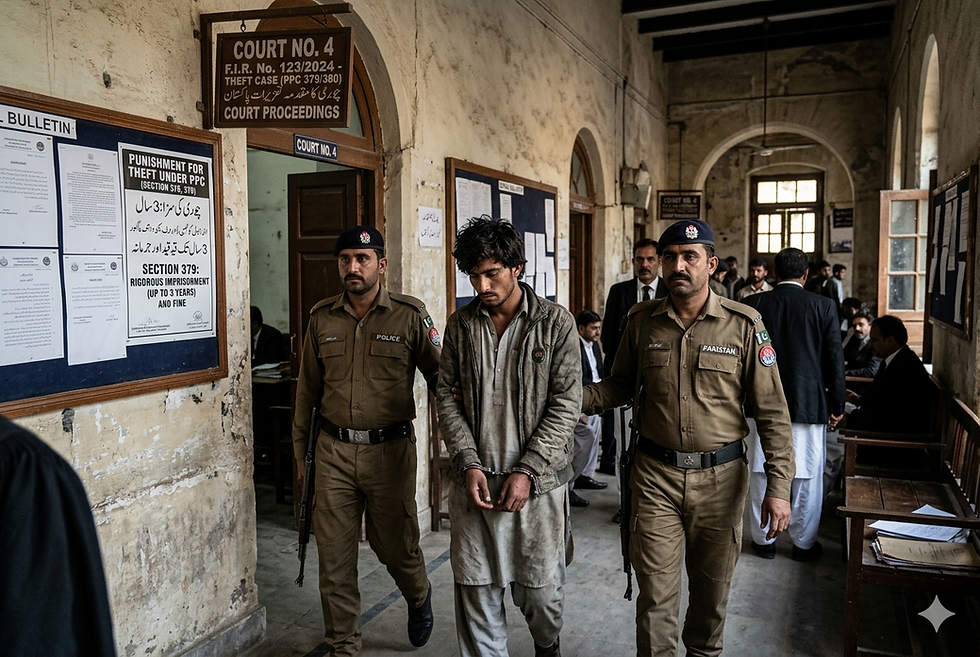
Criminal law deals with offenses against society. It encompasses prosecution, defense, and judicial processes. Pasban Law College equips students with the analytical skills needed to interpret criminal statutes, conduct investigations, and argue cases in court. Participation in mock trials provides hands-on experience that is critical for future practice.
Intellectual Property Law
In the digital age, intellectual property (IP) law has gained prominence. Students learn to protect inventions, copyrights, trademarks, and patents. This specialization combines legal knowledge with creativity and technological awareness. Intellectual property lawyers advise clients on protecting their innovations and resolving disputes related to IP rights.
Administrative and Public Law
This field focuses on government regulations, public policies, and legal compliance. Lawyers in this area work with government agencies, policy think tanks, and regulatory bodies. Pasban Law College emphasizes understanding administrative procedures, statutory interpretation, and public law principles to prepare students for roles in governance and policymaking.
International Law
Globalization has made international law a critical area of study. This specialization prepares students for careers in international organizations, diplomacy, and multinational corporations. Coursework covers treaties, international trade, human rights, and cross-border legal issues.
Emerging Areas of Law
Law constantly evolves to address new challenges. Areas such as cyber law, environmental law, and human rights law are increasingly significant. Pasban Law College encourages students to explore these fields through research, workshops, and case studies. By staying ahead of trends, students can carve out innovative and impactful careers.
7. How to Become a Lawyer: Step-by-Step
Becoming a legal professional requires structured planning, dedication, and practical experience. The pathway involves multiple stages:
Step 1: Obtain an Undergraduate Law Degree
Students begin with an undergraduate program, such as LLB, BA in Law, or integrated programs like BA LLB. This phase provides the foundation of legal knowledge, including subjects like criminal law, constitutional law, contract law, and administrative law.
Step 2: Pursue Professional Training
Depending on career goals, students take courses like BPTC for barristers or LPC for solicitors. Practical Legal Training (PLT) ensures hands-on experience. Pasban Law College emphasizes applied learning through internships, moot courts, and legal aid projects.
Step 3: Pass Licensing Examinations
Graduates must pass professional examinations, including bar exams or solicitor licensing assessments. These exams test both theoretical knowledge and practical skills, ensuring readiness for legal practice.
Step 4: Gain Experience and Specialize
Early-career lawyers gain experience in law firms, corporate offices, or government agencies. Specialization helps lawyers focus on areas like corporate law, intellectual property, international law, or criminal law.
Step 5: Continuing Education
Legal practice is dynamic, requiring lifelong learning. CLE programs, seminars, online courses, and workshops ensure lawyers remain knowledgeable about new laws, legal technologies, and global developments.
8. Student Life at Pasban Law College
A fulfilling law education includes academic rigor and personal growth. Pasban Law College provides students with opportunities for holistic development.
Academic Environment
Modern classrooms, collaborative study areas, and access to legal databases create a rich learning environment. Professors guide students through complex legal theories and practical applications.
Extracurricular Activities
Students engage in moot courts, debates, legal societies, and internships. These activities build confidence, public speaking skills, and professional networks.
Campus Community
The college promotes inclusivity and collaboration. Students participate in community service, pro bono projects, and awareness campaigns, reinforcing the social impact of legal work.
9. Global Opportunities and International Law Careers
In today’s interconnected world, legal professionals increasingly work in international contexts. Globalization has expanded the scope of legal practice, offering opportunities across borders. Students of law, particularly those at Pasban Law College, are encouraged to explore global perspectives and prepare for careers in international organizations, multinational corporations, and diplomatic services.
International Legal Practice
International law encompasses treaties, trade agreements, human rights law, and global regulatory frameworks. Students interested in international careers must understand cross-border legal issues, comparative law, and global governance systems. Pasban Law College offers specialized courses and seminars on international law, exposing students to case studies and current international legal challenges.
Graduates can work with the United Nations, international courts, NGOs, and multinational companies. Roles may include policy advisory positions, international arbitration, legal compliance, or advocacy for global human rights initiatives.
Study Abroad and Exchange Programs
Exposure to diverse legal systems enhances a student’s perspective and adaptability. Pasban Law College encourages students to participate in study abroad programs, legal internships abroad, and exchange programs with partner institutions. This experience not only deepens legal knowledge but also cultivates cultural competence, essential for international legal practice.
Emerging Fields in Global Law
Technology, trade, and global regulations create new avenues for legal careers. Cyber law, data privacy, international intellectual property, and environmental law are rapidly growing fields. By engaging with these areas, students position themselves for dynamic and high-demand careers.

10. Ethics, Social Responsibility, and Legal Practice
Legal education is not just about knowledge it is about shaping ethical, socially responsible professionals. Lawyers hold a position of trust in society, and ethical practice is critical.
Role of Ethics in Law
Lawyers must uphold principles of integrity, honesty, and justice. Ethical practice includes maintaining client confidentiality, avoiding conflicts of interest, and adhering to professional codes of conduct. Pasban Law College integrates ethics courses across programs to ensure students internalize these values.
Community Engagement and Pro Bono Work
Lawyers are uniquely positioned to serve society. Pro bono projects and legal aid clinics allow students and professionals to assist underserved communities, address social injustices, and contribute positively to society. Pasban Law College encourages participation in such initiatives, helping students understand the social impact of law.
Developing Socially Responsible Lawyers
By combining ethical training with practical skills, Pasban Law College ensures that graduates are not only competent but also socially responsible. Students learn to balance professional ambitions with community service, preparing them to be influential leaders in law.
11. Future of Legal Careers: Trends and Opportunities
The legal profession is evolving rapidly due to technological advancements, globalization, and regulatory changes. Understanding trends helps students prepare for long-term success.
Technology in Legal Practice
Legal technology, including AI-assisted research, e-discovery tools, and virtual law offices, is transforming traditional practice. Law students must develop technological literacy alongside legal expertise to remain competitive.
Emerging Specializations
New legal fields are emerging to meet societal needs. These include cyber law, environmental law, space law, data protection, and health law. Students at Pasban Law College have the flexibility to explore these areas through specialized courses and research.
Interdisciplinary Skills
Modern lawyers often require skills beyond traditional legal knowledge. Effective communication, negotiation, leadership, and cross-cultural understanding are critical. Pasban Law College emphasizes interdisciplinary learning to ensure graduates thrive in diverse work environments.
Career Mobility
Legal professionals can move between law firms, corporate roles, government positions, academia, and international organizations. With the right combination of academic credentials, professional training, and practical experience, graduates can build flexible and rewarding careers.
12. Comprehensive Guide to Becoming a Lawyer
For many students, becoming a lawyer is a clear goal, but understanding the exact steps is essential.
Step 1: Academic Foundation
Begin with a recognized law degree such as LLB, BA in Law, or integrated programs. Focus on core subjects like criminal law, constitutional law, administrative law, and commercial law. Participate in moot courts and research projects to strengthen analytical and advocacy skills.
Step 2: Professional Training
Enroll in programs like BPTC, LPC, or PLT, depending on whether you aspire to be a barrister, solicitor, or legal practitioner. These courses emphasize practical skills and prepare students for professional exams.
Step 3: Licensing and Certification
After completing the required academic and professional training, students must pass bar exams or solicitor licensing assessments. This ensures readiness for legal practice.
Step 4: Gaining Experience
Early-career lawyers work in law firms, corporate legal departments, government agencies, or NGOs. Specializations help focus career paths, while internships and clerkships provide real-world exposure.
Step 5: Lifelong Learning
The legal profession evolves constantly. Participating in CLE programs, online courses, seminars, and workshops ensures continued competence and career growth.
13. Student Life and Campus Experience
A thriving campus environment complements academic study. Pasban Law College combines rigorous education with extracurricular engagement, community projects, and personal growth opportunities.
Academic Support
Students have access to libraries, research tools, and collaborative study spaces. Faculty mentorship and guidance foster deep learning and critical thinking.
Extracurricular Activities
Moot courts, debate societies, legal aid clinics, and internship opportunities enrich the student experience. These activities help develop communication, leadership, and problem-solving skills.
Community and Networking
Pasban Law College encourages collaboration, networking, and engagement with the legal community. Students interact with professionals, alumni, and visiting experts, building relationships that last a lifetime.
14. Advanced Career Opportunities for Law Graduates
Graduates from Pasban Law College are not limited to traditional legal roles. A law degree opens diverse career pathways in government, corporate sectors, academia, and non-profit organizations.
Law Firms and Corporate Practice
Many graduates join law firms, ranging from boutique firms to international practices. They specialize in areas such as corporate law, commercial law, intellectual property, and litigation. In-house legal departments in corporations provide another pathway, focusing on contracts, compliance, and risk management.
Public Service and Government
Lawyers play vital roles in policymaking, administration, and justice. Graduates can work as public prosecutors, legal advisors to government agencies, or in judiciary roles. Knowledge of administrative law, public law, and constitutional law is particularly valuable in these careers.
Academia and Research
For those interested in scholarly pursuits, a PhD in law or doctorate in law allows graduates to contribute to legal research, teach at universities, or advise think tanks. Academic careers also involve publishing papers, guiding research projects, and shaping the next generation of legal professionals.
Non-Governmental Organizations (NGOs) and International Bodies
Specialists in human rights, environmental law, or international law may work with NGOs, advocacy groups, or institutions such as the United Nations. These roles require understanding global legal frameworks, cross-cultural negotiation, and policy advocacy.
Entrepreneurial Legal Careers
Graduates with knowledge of corporate law, intellectual property, and business law can establish their own law practices or legal consultancy firms. The intersection of law and business provides opportunities for innovative services, particularly in emerging areas like technology law.
15. Interdisciplinary and Global Perspectives
The legal profession increasingly intersects with other disciplines. Lawyers today benefit from expertise in economics, technology, political science, and social sciences.
Technology and Law
With the rise of AI, cyber law, and data privacy, law students must understand the technological context of legal issues. Courses in cyber law, intellectual property, and legal tech equip students to handle disputes involving software, digital content, and emerging technologies.
Business and Economics Integration
Corporate lawyers often need a solid understanding of finance, accounting, and management. Integrating business knowledge into legal training ensures graduates can provide comprehensive advice in corporate transactions, mergers, and acquisitions.
International Perspectives
International legal frameworks govern trade, human rights, environmental policy, and global commerce. Understanding these frameworks is crucial for careers in international law, diplomacy, or multinational corporations. Pasban Law College encourages participation in exchange programs, global research projects, and seminars on comparative law.
16. Ethics, Social Responsibility, and Professional Standards
Legal education is inseparable from ethical practice. Lawyers are custodians of justice and must adhere to high standards of professional conduct.
Maintaining Integrity
Lawyers must exercise honesty, transparency, and fairness in all dealings. They are expected to uphold the law, respect client confidentiality, and avoid conflicts of interest. Pasban Law College integrates ethics throughout the curriculum, ensuring graduates internalize these values.
Pro Bono and Community Engagement
Lawyers have a social responsibility to serve the community. Pro bono work, legal aid clinics, and awareness campaigns allow students to apply their knowledge while contributing positively to society. Pasban Law College provides structured opportunities for students to participate in such projects.
Lifelong Commitment to Justice
Beyond technical skills, lawyers must commit to justice, fairness, and public service. Ethical reasoning and moral judgment are emphasized alongside academic and professional training, creating well-rounded legal professionals.
17. Preparing for the Future of Law
The legal landscape is evolving rapidly. Emerging technologies, globalization, and societal changes create new challenges and opportunities for legal professionals.
Adapting to Technological Change
AI-assisted legal research, digital documentation, and virtual courts are reshaping practice. Students must develop tech literacy to remain competitive and efficient.
Emerging Areas of Practice
Fields like space law, environmental law, cybersecurity, and international arbitration are growing. Pasban Law College encourages students to explore these new frontiers, preparing them for high-demand careers.
Developing Soft Skills
Communication, negotiation, critical thinking, and leadership are as important as legal knowledge. These skills ensure lawyers can navigate complex cases, manage clients, and lead teams effectively.
Global Networking and Collaboration
Lawyers increasingly collaborate internationally. Exposure to global law, cultural competence, and international legal standards enhances career mobility. Pasban Law College provides mentorship, partnerships, and networking opportunities to prepare students for this global context.
18. Life at Pasban Law College
The student experience at Pasban Law College combines academic rigor with holistic personal development. Modern facilities, including libraries, collaborative study spaces, and virtual learning platforms, support comprehensive learning. Extracurricular activities such as moot courts, debates, legal aid projects, and internships foster professional growth and networking. The college’s supportive community encourages collaboration, ethical practice, and civic engagement, creating an environment where students thrive academically and personally.
Global Perspectives and Opportunities
In an increasingly interconnected world, legal professionals must navigate international frameworks. Pasban Law College equips students to engage with global law through specialized courses, research opportunities, and international exchange programs. Graduates can pursue careers in multinational corporations, international organizations, NGOs, or government agencies, handling complex cross-border legal issues, treaties, trade regulations, and human rights advocacy.
Ethics and Social Responsibility
Ethics form the cornerstone of legal practice. Lawyers must act with integrity, maintain client confidentiality, and uphold justice. Pasban Law College integrates ethical training throughout its programs, emphasizing pro bono work, community engagement, and social responsibility. Students are encouraged to participate in legal aid clinics, awareness campaigns, and community service, reinforcing the societal impact of law and fostering well-rounded, conscientious professionals.
The Future of Legal Careers
The legal profession is evolving due to technology, globalization, and societal change. Lawyers must be adaptable, tech-savvy, and equipped with interdisciplinary knowledge. Emerging areas such as cybersecurity, environmental law, intellectual property, and international arbitration offer new career opportunities. Strong communication, negotiation, leadership, and analytical skills remain crucial. Pasban Law College prepares graduates to navigate these changes, ensuring they remain competitive and capable in a dynamic legal landscape.
19. Conclusion and Call to Action
Studying law is a journey that combines knowledge, practical skills, ethical responsibility, and societal impact. Pasban Law College offers a comprehensive environment for students to excel academically, professionally, and personally.
From undergraduate programs like LLB, integrated BA LL.B, and specialized LLM courses, to doctoral programs and professional training such as BPTC, LPC, and PLT, the college equips students with tools for success. By combining theory, practice, global perspectives, and ethical grounding, graduates emerge ready to make a difference.
Whether your goal is corporate law, criminal advocacy, international law, or academic research, Pasban Law College provides the guidance, resources, and community to achieve your ambitions. With state-of-the-art facilities, experienced faculty, and vibrant student life, the college empowers students to become leaders in the legal profession.
Your journey in law begins with a decision. At Pasban Law College, you not only gain knowledge but also develop the skills, ethics, and vision to shape your future and the society around you. Embark on this path today, and join a legacy of excellence in legal education.



Comments