The Legal Challenges Faced by Startups in Pakistan

Updated: Oct 1
Startups have emerged as a driving force behind innovation, economic development, and employment generation across the world. In Pakistan, the startup ecosystem has experienced remarkable growth as entrepreneurs continue to introduce innovative solutions in sectors such as technology, finance, healthcare, education, e-commerce, and logistics. These emerging businesses play an important role in promoting economic diversification and encouraging technological advancement.
Despite their potential, startups often encounter numerous legal challenges that can hinder growth and sustainability. Unlike established corporations, startups typically operate with limited financial resources and often lack dedicated legal teams. As a result, many entrepreneurs struggle to navigate complex regulatory requirements, contractual obligations, intellectual property concerns, taxation issues, and compliance responsibilities.
A strong understanding of the legal environment is essential for startup founders because legal mistakes made during the early stages of a business can create significant difficulties in the future. Addressing legal challenges proactively not only reduces risks but also improves investor confidence and enhances long-term business stability.
This article explores the major legal challenges faced by startups in Pakistan and examines the importance of effective legal planning in building successful and sustainable enterprises.
Understanding the Startup Ecosystem in Pakistan
The startup ecosystem in Pakistan has evolved significantly due to increasing internet penetration, technological innovation, and a growing entrepreneurial culture. Young entrepreneurs are increasingly identifying market gaps and developing solutions that address consumer needs through digital platforms and innovative business models.
The expansion of digital commerce and financial technology has created new opportunities for startups to reach customers and attract investment. Incubators, accelerators, venture capital firms, and educational institutions have also contributed to the growth of entrepreneurial activity.
However, rapid innovation often moves faster than legal and regulatory frameworks. Consequently, startups frequently operate in areas where laws are still developing or where compliance requirements may be unclear. This creates uncertainty and increases the importance of legal awareness among founders.
Business Registration and Regulatory Compliance
One of the earliest legal challenges faced by startups involves selecting an appropriate business structure and completing registration requirements. Entrepreneurs must determine whether their business should operate as a sole proprietorship, partnership, limited liability partnership, or private limited company.
Each structure carries different legal obligations, liabilities, and regulatory requirements. Choosing an inappropriate structure may create complications regarding taxation, ownership rights, fundraising, and operational management.
Many startups initially focus on product development and customer acquisition while overlooking regulatory compliance. However, failure to comply with registration requirements can expose businesses to legal penalties and operational difficulties.
Proper legal registration provides legitimacy, enhances credibility, and establishes a foundation for future growth. It also helps startups build trust with investors, customers, and business partners.
Contractual Challenges in Startup Operations
Contracts form the backbone of commercial relationships. Startups regularly enter into agreements with employees, suppliers, service providers, investors, customers, and strategic partners.
Unfortunately, many entrepreneurs rely on informal arrangements or poorly drafted agreements during the early stages of business development. Such practices can create uncertainty regarding rights, obligations, and dispute resolution mechanisms.
Clear and legally enforceable contracts help prevent misunderstandings and reduce the likelihood of costly disputes. Important business relationships should be supported by carefully drafted agreements that define responsibilities, confidentiality obligations, payment terms, and dispute resolution procedures.
As startups grow, contractual complexity increases, making professional legal guidance increasingly important.

Intellectual Property Protection
For many startups, intellectual property represents one of their most valuable assets. Innovative products, software applications, brand identities, business processes, and creative content often distinguish startups from competitors.
Without proper legal protection, these valuable assets may be copied, misused, or exploited by others.
The Importance of Protecting Innovation
Intellectual property protection enables startups to safeguard their innovations and maintain a competitive advantage. Entrepreneurs who fail to protect their intellectual assets may face difficulties attracting investors and establishing market exclusivity.
Trademarks protect brand names and logos, while copyrights protect original creative works. Patents may provide protection for certain inventions and technological innovations. Trade secrets can also protect confidential business information and proprietary processes.
A comprehensive intellectual property strategy can significantly enhance the long-term value of a startup and support sustainable growth.
Employment and Human Resource Issues
Startups often operate with small teams and flexible working arrangements. While this flexibility can encourage innovation and efficiency, it may also create legal complications regarding employment relationships.
Founders sometimes hire workers without formal employment agreements or clear policies regarding compensation, confidentiality, and workplace responsibilities. Such practices can lead to disputes and uncertainty.
Employment contracts should clearly define job responsibilities, compensation structures, termination procedures, and intellectual property ownership rights. Startups must also ensure compliance with applicable labour laws and workplace regulations.
Effective human resource management contributes to organizational stability and reduces legal risks associated with employment disputes.
Investment and Funding Challenges
Access to capital remains one of the most significant challenges faced by startups. Entrepreneurs frequently seek funding from angel investors, venture capital firms, crowdfunding platforms, and strategic partners.
Investment transactions involve complex legal considerations relating to ownership structures, shareholder rights, governance mechanisms, and exit strategies.
Many startup founders lack experience in negotiating investment agreements and may inadvertently agree to unfavorable terms. This can result in loss of control, ownership dilution, or future governance disputes.
Before accepting investment, founders should carefully review all legal documents and fully understand the implications of proposed arrangements. Transparent governance structures and clear shareholder agreements can help prevent future conflicts.
Taxation and Financial Compliance
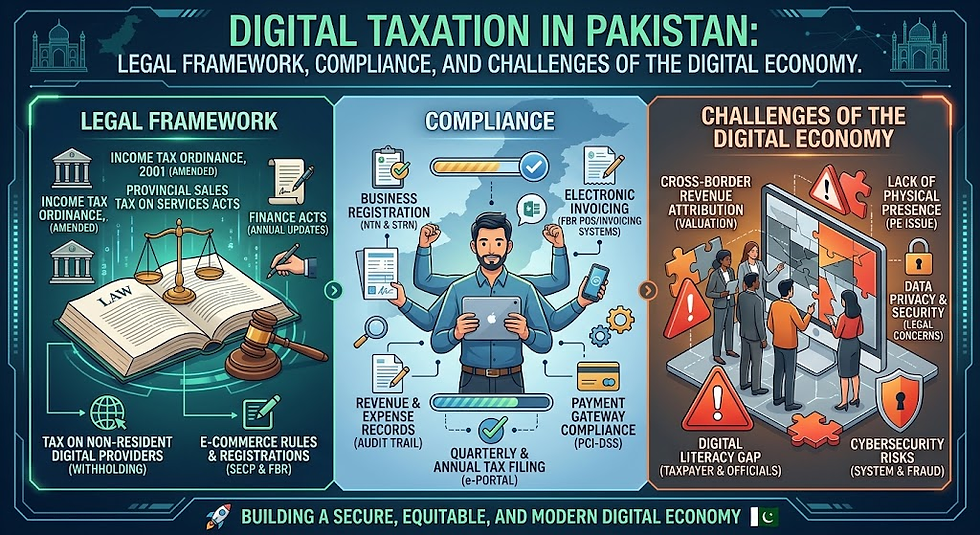
Tax compliance is another area where startups frequently encounter difficulties. Entrepreneurs may focus primarily on product development and customer acquisition while neglecting tax obligations.
Failure to maintain accurate financial records or comply with tax regulations can expose startups to penalties and legal complications. Effective financial management is therefore essential from the earliest stages of business development.
Some common areas requiring attention include:
Tax registration and reporting obligations.
Maintenance of accurate financial records.
Compliance with applicable sales and income tax requirements.
Proper documentation of business transactions.
Strong financial governance not only supports compliance but also improves transparency for investors and stakeholders.
Data Privacy and Cybersecurity Concerns
The increasing use of digital platforms has created new legal challenges relating to data protection and cybersecurity. Many startups collect and process customer information through websites, mobile applications, and digital services.
Consumers are becoming increasingly aware of privacy rights and expect businesses to handle personal information responsibly. Any breach of customer data can damage reputation, reduce consumer trust, and expose a company to legal liability.
Managing Digital Risks
Startups must implement appropriate measures to protect sensitive information from unauthorized access, misuse, or cyberattacks. Effective cybersecurity practices include secure data storage, access controls, employee training, and incident response planning.
Data protection should be viewed not merely as a compliance requirement but as an essential component of responsible business management.
Regulatory Uncertainty and Emerging Technologies
Many startups operate in innovative sectors where legal frameworks continue to evolve. Financial technology, artificial intelligence, digital health services, and online marketplaces often raise regulatory questions that have not yet been fully addressed by existing laws.
This regulatory uncertainty can create challenges for entrepreneurs seeking to develop innovative business models. Businesses may face difficulties interpreting applicable regulations or obtaining necessary approvals.
Regular engagement with legal advisors and regulatory authorities can help startups navigate uncertain legal environments and identify potential compliance risks before they become significant problems.
Dispute Resolution and Litigation Risks
As startups expand, disputes may arise involving customers, employees, investors, competitors, or business partners. Litigation can be costly, time-consuming, and disruptive, particularly for companies with limited resources.
Preventive legal planning is often more effective than resolving disputes after they occur. Well-drafted contracts, transparent governance structures, and clear communication can significantly reduce the likelihood of legal conflicts.
Alternative dispute resolution mechanisms such as mediation and arbitration may provide efficient methods for resolving disagreements while minimizing business disruption.
Startups should incorporate dispute resolution provisions into important agreements to ensure that conflicts can be managed effectively if they arise.
The Role of Legal Strategy in Startup Success
Legal compliance should not be viewed merely as a defensive measure. Instead, it should be integrated into the overall business strategy of the startup. A proactive legal approach can enhance operational efficiency, improve investor confidence, and strengthen competitive positioning.
Successful startups often recognize that legal planning supports innovation by creating a stable framework within which business growth can occur. Legal advisors can assist entrepreneurs in identifying risks, protecting assets, and developing governance structures that support long-term objectives.
By treating legal considerations as an integral component of business planning, startups can reduce uncertainty and position themselves for sustainable success.
Future Prospects for Startup Regulation in Pakistan
The future of Pakistan's startup ecosystem appears promising as technological innovation continues to accelerate and entrepreneurial activity expands across multiple sectors. Policymakers increasingly recognize the importance of supporting innovation while ensuring appropriate regulatory oversight.
Future legal developments may focus on improving ease of doing business, strengthening intellectual property protection, enhancing digital governance, and creating more efficient regulatory frameworks. Such reforms can contribute to a more supportive environment for entrepreneurial growth.
Collaboration among government institutions, private sector stakeholders, investors, and entrepreneurs will play a crucial role in shaping a regulatory landscape that encourages innovation while maintaining legal certainty and accountability.
Conclusion
Startups are essential drivers of innovation, economic growth, and technological advancement in Pakistan. However, their success depends not only on creativity and market opportunities but also on effective legal management. Entrepreneurs face a wide range of legal challenges, including regulatory compliance, contractual obligations, intellectual property protection, employment issues, taxation, data privacy concerns, and investment-related complexities.
Addressing these challenges proactively can help startups minimize risks, attract investment, and build sustainable business models. Legal awareness should be viewed as a strategic asset rather than an administrative burden. Businesses that establish strong legal foundations during their early stages are generally better equipped to navigate growth, competition, and changing market conditions.
As Pakistan's entrepreneurial ecosystem continues to evolve, startups that combine innovation with sound legal practices will be best positioned to achieve long-term success and contribute meaningfully to the country's economic development.