
The Vision and Mission Driving Pasban Law College

Updated: Oct 1
Pasban Law College stands as a beacon of legal education in the South Asian region, representing a commitment to excellence, accessibility, and the advancement of justice through professional legal training. The institution has emerged as one of the most respected law colleges in Pakistan, dedicated to preparing the next generation of legal professionals who will shape the future of the judicial system and contribute meaningfully to society. The college's journey reflects a broader commitment to democratizing legal education and ensuring that quality legal training is not confined to elite institutions but is accessible to deserving students regardless of their socioeconomic backgrounds. Pasban Law College has established itself as an institution that balances academic rigor with practical relevance, creating an educational environment where students not only master legal doctrine but also develop the critical thinking skills, ethical frameworks, and professional competencies necessary for success in contemporary legal practice. The vision and mission of the college represent a philosophical commitment that extends beyond conventional legal education, embodying a transformative approach to legal training that acknowledges the institution's responsibility to society and the judicial system. Understanding these foundational principles is essential for grasping how Pasban Law College differentiates itself in the competitive landscape of legal education and why it has earned recognition among students, employers, and the legal community.
Historical Context and Founding Principles
The establishment of Pasban Law College emerged from a recognition that the legal profession in Pakistan faced significant challenges in terms of both quantity and quality of legal professionals. When the college was founded, there existed substantial disparities in access to quality legal education, with prestigious institutions concentrated in major urban centers and often beyond the financial reach of talented students from less privileged backgrounds. The founders of Pasban Law College envisioned an institution that would break down these barriers and create pathways for talented individuals to access world-class legal education regardless of their geographical location or economic circumstances. The college's founding principles were rooted in the belief that legal education should serve a social mission, producing lawyers who would not only excel in their professional careers but also contribute to the strengthening of the rule of law and the advancement of justice throughout society. This social mission remains central to the institution's identity and informs everything from curriculum design to student recruitment policies. The historical context in which Pasban Law College emerged is important because it explains the institution's consistent focus on accessibility and quality simultaneously. Rather than viewing these as competing objectives, the founders understood that quality legal education could be delivered in ways that made it accessible to a broader student population. This insight has guided the institution's development and continues to shape its strategic direction. The college's commitment to its founding principles has remained consistent even as the institution has grown and evolved, ensuring that expansion and modernization do not come at the expense of the core values that gave the institution its identity and purpose.

The Core Vision of Pasban Law College
The vision of Pasban Law College articulates an aspirational future where the college stands recognized as a premier institution for legal education not merely within Pakistan but across the South Asian region and beyond. This vision encompasses the ambition to become a center of legal excellence where innovation, scholarship, and professional development converge to create a learning environment of extraordinary quality. The college envisions itself as an institution where rigorous academic training combines with practical experience, where students are not merely passive recipients of legal knowledge but active participants in their own educational development and in the larger project of advancing justice. A central element of the vision is the commitment to producing graduates who will become leaders in the legal profession, capable of addressing complex contemporary challenges including access to justice, rule of law, human rights protection, and corporate responsibility. The college aspires to create lawyers who think beyond traditional practice areas and boundaries, who understand the interconnections between law and society, and who are prepared to work across different legal systems and jurisdictions. The vision also encompasses the aspiration to become a research-intensive institution where faculty and students engage in scholarly work that contributes to the development of legal doctrine and the understanding of pressing legal issues. This research mission is seen not as separate from teaching but as integral to it, ensuring that students learn from faculty who are actively engaged in advancing legal knowledge and understanding. Furthermore, the vision includes a commitment to leadership in legal technology and innovation, recognizing that the future of legal practice will be shaped by technological developments and that lawyers must be prepared to harness these technologies while maintaining ethical standards and professional responsibility. The college envisions itself as an institution that remains at the forefront of legal education innovation, constantly adapting its programs and pedagogical approaches to prepare students for the evolving legal landscape. The geographic and cultural context of the college's vision is also significant. Rather than viewing legal education as a universal endeavor disconnected from local context, the vision acknowledges the specific challenges and opportunities of South Asian legal systems and commits the college to producing lawyers who understand their regional and national legal contexts deeply while maintaining awareness of global legal developments.
The Mission of Pasban Law College
While the vision articulates aspirational goals for the distant future, the mission of Pasban Law College defines the institution's current purpose and the concrete commitments that guide its everyday operations. The mission statement emphasizes that the college exists to provide high-quality, accessible legal education that prepares students for successful careers in the legal profession while fostering a commitment to justice, rule of law, and service to society. This mission encompasses several interconnected commitments that define the character of the institution. First and foremost, the mission prioritizes academic excellence, ensuring that all programs meet rigorous standards of curriculum design, faculty qualification, and student assessment. The college is committed to maintaining educational standards that prepare students not only to pass professional examinations but to excel in legal practice and continue learning throughout their careers. This commitment to academic excellence extends to the development of specialized programs that address emerging areas of legal practice and societal challenges. Second, the mission emphasizes accessibility and inclusivity, recognizing that talent in legal practice is distributed across all segments of society and that the profession is strengthened when it draws from a diverse pool of backgrounds, perspectives, and experiences. The college commits to admitting students based on merit while implementing support systems that ensure students from disadvantaged backgrounds have genuine opportunities to succeed. This might include financial aid, mentorship programs, academic support services, and other interventions designed to level the playing field for students facing additional challenges. Third, the mission articulates a commitment to practical legal training that goes beyond theoretical knowledge. The college recognizes that legal education must prepare students not only to understand legal doctrine but to apply it in real-world contexts, to communicate effectively with clients and colleagues, to conduct legal research and writing at professional standards, and to navigate the ethical complexities of legal practice. This commitment to practical training is reflected in the curriculum design, which integrates skills training, experiential learning opportunities, and connections to professional practice. Fourth, the mission emphasizes the college's responsibility to contribute to the advancement of the legal profession and the rule of law in society. The college sees itself not merely as a training institution but as an actor in a broader ecosystem of institutions working to strengthen the legal system and advance justice. This might involve research on important legal questions, engagement with the judiciary and bar associations, advocacy for legal reform, and community service. Fifth, the mission commits the college to continuous improvement and innovation in legal education. Rather than viewing the curriculum and teaching methods as fixed and immutable, the college embraces a philosophy of continuous evaluation and adaptation, ensuring that programs remain relevant and effective as the legal landscape evolves. This commitment to innovation extends to pedagogical approaches, curriculum content, student support services, and all other dimensions of the educational enterprise.

Excellence in Curriculum Design and Delivery
At the heart of Pasban Law College's mission is a commitment to excellence in curriculum design and delivery, reflecting the understanding that the quality of legal education depends fundamentally on what is taught and how it is taught. The college's curriculum is carefully designed to provide a comprehensive foundation in core areas of law while allowing students to develop specializations in areas of particular interest or importance. The curriculum includes instruction in constitutional law, criminal law, civil law, commercial law, administrative law, and other core subjects that form the foundation of legal practice. Beyond these fundamentals, the college recognizes that contemporary legal practice encompasses increasingly specialized areas, and students should have opportunities to develop expertise in fields such as corporate law, intellectual property law, environmental law, constitutional rights law, and other areas of growing importance. The delivery of the curriculum reflects a sophisticated understanding of pedagogy and the varied ways in which students learn most effectively. The college employs a mix of teaching methodologies, including traditional lectures, seminars, case discussions, problem-based learning, and experiential exercises. Faculty members are encouraged to adopt pedagogical approaches that actively engage students in their own learning rather than treating them as passive recipients of information. This approach recognizes that students retain information more effectively and develop deeper understanding when they are actively engaged in analyzing problems, discussing alternatives, and wrestling with complex issues rather than merely listening to lectures. The college has invested significantly in developing the teaching skills of its faculty, recognizing that subject matter expertise alone is insufficient for effective teaching. Faculty development programs provide training in contemporary pedagogical approaches, assessment techniques, curriculum design, and other areas relevant to effective instruction. These interdisciplinary approaches enrich students' understanding and prepare them for legal practice in an increasingly complex world.
Commitment to Student Development and Support
Pasban Law College's mission to provide accessible, high-quality legal education is realized not merely through curriculum but through comprehensive student development and support systems that recognize the varied needs and circumstances of students. The college is committed to the proposition that talent for legal practice is widely distributed but that students' ability to realize their potential depends on access to appropriate support and opportunities. The college provides financial aid to deserving students, recognizing that financial constraints should not prevent talented individuals from accessing legal education. Financial aid takes various forms, including full scholarships for outstanding students from disadvantaged backgrounds, partial scholarships to students with strong academic records but limited financial means, and work-study opportunities that allow students to earn income while studying. These financial support mechanisms are essential to the college's commitment to accessibility, as they ensure that attendance does not depend solely on family ability to pay. Beyond financial support, the college provides academic support services designed to help all students succeed. These include peer tutoring programs where advanced students help classmates master difficult material, study skills workshops that teach effective learning strategies, writing centers where students can receive feedback on their legal writing, and individual academic advising that helps students plan their coursework and develop their academic goals. These support services are based on the understanding that students vary in their preparation and learning needs, and that providing targeted support can help all students achieve their potential. The college also recognizes that success in legal education requires not only intellectual capabilities but also emotional resilience, healthy coping mechanisms, and access to mental health support. The college has developed counseling services and wellness programs designed to support students' psychological and emotional well-being. This recognition that legal education can be stressful and that students benefit from access to mental health support reflects a mature understanding of student development that goes beyond narrow academic measures. Career development services are another important dimension of student support. The college helps students explore career options, develop professional networks, and prepare for the job market. Career services include resume workshops, interview preparation, networking events with alumni and practitioners, and job placement assistance.
Research and Scholarship as Institutional Priorities
While teaching often receives primary attention in discussions of law schools, Pasban Law College recognizes that research and scholarship are essential to a robust legal education and to the institution's contribution to legal knowledge and understanding. The college has made substantial investments in developing its research capacity and creating an environment where faculty are supported and incentivized to engage in scholarly work. The college recognizes that faculty who are actively engaged in research bring that engagement into the classroom, teaching students not merely what the law is but how legal knowledge is developed, contested, and evolved. Faculty scholarship also contributes to the advancement of legal doctrine and the understanding of important legal questions, strengthening the rule of law and advancing justice in society. The college has established research centers and institutes focused on areas of particular importance or interest, including centers focused on constitutional law and human rights, corporate law and governance, environmental law and sustainability, and other substantive areas. These research entities provide organizational homes for faculty working in these areas and facilitate collaboration among scholars with shared interests. The centers also often serve as focal points for engaging with practitioners, judges, policymakers, and other stakeholders interested in the issues under study. Faculty are supported in publishing their scholarly work in peer-reviewed journals and books, both as individual projects and through collaborative relationships. The college recognizes that publication in respected venues is important both for advancing legal knowledge and for enhancing the college's reputation and standing within the academic community. Furthermore, the college supports faculty in securing external research funding through grants and fellowships that support scholarly work. This external funding allows the college to support ambitious research projects and demonstrates the recognition of the college's research capabilities by external funding organizations. The college also recognizes the value of collaborative research and facilitates partnerships between faculty members at Pasban Law College and scholars at other institutions, both within Pakistan and internationally. These collaborative relationships allow for knowledge exchange, exposure to different perspectives and approaches, and the development of research projects of greater scope and ambition than individual scholars might undertake alone.
Integration of Practical Experience and Professional Development
A central element of Pasban Law College's mission is the integration of practical experience into legal education, reflecting the understanding that lawyers must not only understand legal doctrine but must also develop practical skills and the ability to apply legal knowledge in professional contexts. The college achieves this integration through multiple mechanisms that provide students with opportunities to engage with real legal problems and develop professional competencies. One important mechanism is the law clinic, where students work under faculty supervision on actual legal matters for clients who cannot afford to pay for legal services. Law clinic experience provides students with practical training in legal analysis, legal writing, client interviewing, case management, and other skills essential to legal practice. Additionally, law clinic work connects students with the realities of legal practice and the needs of populations that are underserved by the conventional legal market. Working with real clients and real legal problems deepens students' understanding of legal doctrine and demonstrates the relevance of abstract principles to concrete situations. The college also facilitates internships and externships that allow students to work with law firms, government agencies, corporate legal departments, judges' chambers, and other legal employers. These placements provide students with exposure to different practice settings and the opportunity to develop professional relationships and networks that can facilitate career entry. Students return from internships with a clearer understanding of what practice in different settings entails and with concrete professional development. Furthermore, the college has developed simulation and role-play exercises in which students practice legal skills in controlled environments that approximate real legal practice. This approach reflects the understanding that ethical reasoning must become habitual for lawyers and that ethics cannot be effectively taught as a specialized subject disconnected from regular legal practice. Students are exposed not only to formal ethical rules but also to the ethical dilemmas that lawyers encounter in practice and to frameworks for thinking through complex ethical questions. Guest lecturers drawn from legal practice provide students with exposure to practitioners' experiences and perspectives. These practitioners share their professional journeys, discuss challenges they have encountered, and provide perspective on how legal education relates to legal practice. Guest lectures bring the reality of legal practice into the classroom and help students understand what lies ahead as they enter the profession.
Diversity, Inclusion, and Equal Opportunity
An important dimension of Pasban Law College's mission is a commitment to diversity and inclusion, reflecting the understanding that the legal profession is strengthened when it draws from diverse backgrounds and perspectives and that equal opportunity in accessing legal education is a fundamental value. The college actively works to recruit students from underrepresented communities and has implemented policies designed to ensure that admission decisions are not biased by factors other than merit and potential for success in legal education. The college recognizes that many talented students come from families without legal education background and may lack the social and cultural capital that students from legal families often possess. The college has implemented support programs designed to help these first-generation law students navigate legal education successfully. These programs provide mentorship, academic support, and help developing professional networks and understanding of legal profession norms. Beyond student recruitment and support, the college is also committed to building a diverse faculty that reflects the diversity of the broader society. The college actively recruits faculty from underrepresented groups and provides support that enables these faculty members to succeed and advance in their careers. A diverse faculty provides role models for students from underrepresented backgrounds and brings diverse perspectives to scholarly work and teaching. The college is also committed to ensuring that the curriculum reflects the experiences and contributions of people from diverse backgrounds and that course materials include scholarship by diverse scholars. The college recognizes that the legal system itself has historically excluded people from certain backgrounds and that legal education must address these historical injustices and work to remedy ongoing discrimination.
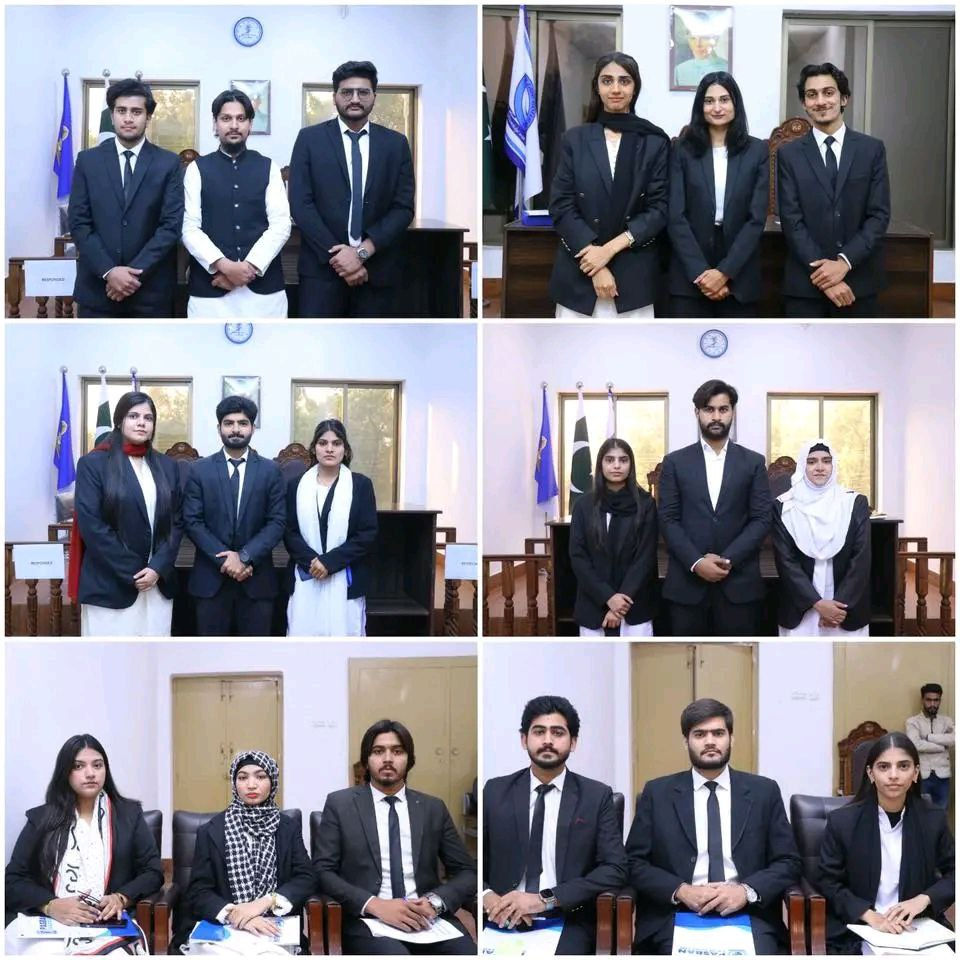
Community Engagement and Public Service
Beyond its primary mission of educating lawyers, Pasban Law College recognizes a broader responsibility to contribute to strengthening the legal system and advancing justice in society. This commitment is expressed through various community engagement and public service activities that connect the college to the broader legal community and to the communities it serves. The college's law clinic, mentioned earlier as a pedagogical tool for student development, also serves an important public service function by providing legal assistance to people who would otherwise lack access to professional legal help. The clinic handles matters including family law, property disputes, criminal defense, and other areas, serving populations that are underserved by the conventional legal market. The clinic's work advances the college's commitment to the rule of law and access to justice by directly addressing gaps in legal services. Beyond the clinic, the college engages in various advocacy and reform initiatives designed to improve the legal system and advance justice. Faculty and students may engage in research and advocacy around particular legal issues of concern, such as human rights violations, discrimination, environmental degradation, or inadequacies in existing law.
This advocacy work demonstrates the college's commitment to law as a tool for advancing justice rather than merely as a technical practice. The college also works collaboratively with other institutions including bar associations, judicial institutions, government agencies, and other law schools to advance legal education and the legal profession. These collaborations might involve joint research projects, sharing of pedagogical innovations, or advocacy for legal reforms. Collaborative relationships strengthen both the individual institution and the broader legal system by facilitating the exchange of ideas and coordinated action around issues of common concern. Furthermore, the college provides educational programs to the broader community beyond students enrolled in formal degree programs. The college might offer continuing legal education for practicing lawyers, public education programs on legal rights and responsibilities, or training for community leaders on legal issues affecting their communities. These educational activities extend the college's influence beyond its student population and contribute to broader understanding of law and rights in society. The college also recognizes responsibilities to contribute to legal literacy and public understanding of the law. The college might publish accessible materials explaining legal rights and procedures, make faculty expertise available to media outlets covering legal issues, or engage in public discourse about important legal questions. This educational function contributes to an informed citizenry capable of understanding and engaging with legal institutions effectively.
Faculty Excellence and Professional Development
The quality of legal education depends fundamentally on the quality of faculty teaching and mentoring students. Pasban Law College recognizes this reality and has made substantial investments in recruiting, supporting, and developing excellent faculty. The college seeks to recruit faculty who combine scholarly expertise with pedagogical skill and commitment to student development. Faculty recruitment emphasizes both academic credentials and evidence of teaching effectiveness and commitment to educational excellence. Once faculty are hired, the college provides ongoing opportunities for professional development including workshops on pedagogy, support for scholarly work, sabbaticals for extended research and renewal, and opportunities to attend conferences and engage with scholars at other institutions. The college also provides mentorship for newer faculty, pairing them with experienced colleagues who can guide their development and help them navigate the transition to academic careers. Faculty governance plays an important role in the college, with faculty involvement in curriculum decisions, academic policy, student matters, and strategic direction. This faculty involvement ensures that decisions reflect the expertise and perspectives of those most directly engaged in teaching and scholarship. Faculty are also supported in their efforts to balance teaching and research responsibilities. The college recognizes that faculty cannot pursue ambitious research agendas while maintaining heavy teaching loads, and the college works to ensure reasonable balance between these important activities. Some faculty may focus more heavily on teaching while others pursue more research-intensive careers, reflecting the reality that faculty have different strengths and interests. The college values both teaching excellence and scholarly excellence and recognizes that both are essential to a high-quality law school.

Facilities, Resources, and Technological Infrastructure
Providing excellent legal education requires not only outstanding faculty and curriculum design but also adequate facilities, resources, and technological infrastructure. Pasban Law College has invested substantially in developing physical and technological resources that support learning and scholarship. The college library is a critical resource, providing access to legal materials including case reports, statutes, treatises, and law review articles. The library supports student learning by organizing materials in ways that facilitate finding what is needed and by employing professional librarians who help students locate materials and develop research skills. The college has invested in providing access to legal research databases and online legal materials, ensuring that students have access to the materials they need regardless of whether they are on campus or working remotely. The college has also invested in developing classroom and seminar spaces that facilitate different pedagogical approaches. Classrooms are equipped with technology that enables faculty to employ multimedia teaching approaches and that allows for recording of lectures for students who cannot attend in person. Smaller seminar rooms support discussion-based pedagogy and allow for closer engagement between faculty and students. The college has also invested in developing spaces for student collaboration and study, recognizing that much legal learning happens through peer discussion and collaborative work. Study areas equipped with whiteboards, comfortable furniture, and technology allow students to work together productively. Furthermore, the college has invested in technological infrastructure that supports both teaching and scholarship. High-speed internet, computer labs, and software tools support students and faculty in their work. The college has also invested in learning management systems and other educational technology that supports online and hybrid learning and that enables faculty to make course materials available to students and to communicate effectively with students. These technological investments ensure that the college can adapt to changing circumstances and emerging technological possibilities, such as remote learning requirements that arose during the COVID-19 pandemic.
Challenges and Future Directions
Despite Pasban Law College's substantial achievements and strong foundational vision and mission, the college faces a range of challenges that will shape its future development. Like legal education institutions globally, Pasban Law College must adapt to changing legal markets, technological development, regulatory change, and evolving social expectations. One significant challenge is maintaining quality while expanding access. The college's commitment to both excellence and accessibility can sometimes cause tension, and the college must work diligently to ensure that expansion does not come at the expense of educational quality. Another challenge is preparing students for a legal profession that is changing rapidly due to technological development, globalization, and shifting client expectations. The college must continually update its curriculum and pedagogical approaches to ensure that students are prepared for legal practice that looks increasingly different from practice of previous generations. Financial sustainability is another important challenge, as legal education is resource-intensive and the college must ensure sustainable funding to support its mission. The college must balance the need for financial sustainability with its commitment to accessibility, which may require some students to pay relatively low tuition. Regulatory change presents both opportunities and challenges. As regulatory frameworks for legal education evolve, the college must ensure that it meets regulatory requirements while working to influence regulatory change in directions that support excellent legal education. The college also faces competition from other law schools and alternative legal education providers. The college must differentiate itself and demonstrate value to potential students, employers, and other stakeholders. Looking forward, Pasban Law College appears positioned to continue playing an important role in legal education and in strengthening the legal profession in Pakistan and South Asia. The college's commitment to its foundational vision and mission, combined with its willingness to adapt and innovate, provides a strong basis for future success. The college will likely continue expanding its research and scholarship activities, enhancing its technological infrastructure, deepening its partnerships with other institutions, and working to ensure that legal education remains accessible to talented students from all backgrounds.
Conclusion
Pasban Law College embodies a distinctive vision and mission that distinguish it within the landscape of legal education in Pakistan and South Asia more broadly. The institution's founding commitment to combining academic excellence with accessibility reflects a mature understanding that these objectives need not conflict but rather reinforce one another. Students who have the opportunity to access high-quality legal education regardless of their socioeconomic background contribute more fully to the legal profession and to society, and the legal system benefits from drawing talent from across all segments of society. The vision of Pasban Law College as a premier regional institution for legal education and research continues to drive the college's strategic direction and institutional development. This vision is not merely aspirational but guides concrete decisions about curriculum, faculty development, student support, research priorities, and resource allocation. The mission of the college to provide high-quality, accessible legal education while fostering commitment to justice and rule of law articulates the college's fundamental purpose and the values that guide its activities. The college's commitment to excellence in curriculum design and delivery, to practical training that prepares students for professional practice, to research and scholarship that advances legal knowledge, and to community engagement that strengthens the legal system are all expressions of its mission. Looking to the future, Pasban Law College faces both challenges and opportunities as the legal profession evolves and as legal education must adapt to changing contexts. The college's strong foundational vision and mission, combined with its demonstrated capacity to innovate and adapt, provide confidence that the college will continue to play an important role in legal education and professional development. The success of Pasban Law College ultimately must be measured not merely in institutional metrics such as enrollment numbers or research publications, though these matter, but in the impact that graduates have throughout their careers and in their contributions to strengthening justice, rule of law, and the legal profession. When Pasban Law College graduates practice law with excellence and ethical commitment, when they advocate for those without voice, when they work to reform unjust laws and strengthen legal institutions, they embody the vision and mission that established Pasban Law College and continue to drive it forward. As the legal profession evolves and as society faces increasingly complex legal challenges, the role of institutions like Pasban Law College in preparing thoughtful, skilled, and committed legal professionals becomes ever more important. The college's vision and mission position it well to meet these challenges and to continue contributing meaningfully to legal education, the legal profession, and ultimately to a more just society grounded in rule of law.


