Legal Innovation and the Future of Trade in Pakistan: A Modern Legal and Commercial Transformation

Updated: Oct 1

Shifting Trade Landscape in Pakistan
Pakistan’s trade environment is entering a new phase shaped by globalization, digital transformation, and regulatory modernization. Traditional systems of commerce, once dependent on paper-based procedures and slow judicial processes, are now being challenged by the need for speed, transparency, and efficiency. Legal innovation has become a central force in reshaping how trade operates across domestic and international markets.
Legal innovation refers to the modernization of laws, legal systems, and regulatory frameworks to match evolving economic realities. In Pakistan, this includes reforms in commercial law, digital trade regulation, customs modernization, e-commerce governance, and dispute resolution systems.
The future of trade in Pakistan depends on:
Strengthening legal infrastructure for business growth
Digitizing trade-related legal processes
Improving enforcement of commercial contracts
Enhancing transparency in regulatory systems
Aligning national laws with global trade standards
What Legal Innovation Means for Trade Development
Legal innovation is not just about creating new laws; it is about transforming how laws function in practice. It improves the efficiency, accessibility, and predictability of legal systems that govern trade.
Key dimensions include:
Digital transformation of legal documentation and filing systems
Automation of regulatory compliance processes
Simplification of trade and business regulations
Faster commercial dispute resolution mechanisms
Integration of technology into legal enforcement systems
For Pakistan, legal innovation is essential to reduce friction in trade and improve economic competitiveness.
Major Challenges in Pakistan’s Trade and Legal Environment
Despite gradual reforms, Pakistan still faces structural challenges that affect trade efficiency and investor confidence.
Key challenges include:
Outdated commercial and trade laws
Weak enforcement of contracts and agreements
Bureaucratic delays in customs and taxation systems
Limited use of digital legal infrastructure
Corruption and lack of transparency in regulatory bodies
High compliance costs for businesses and SMEs
These barriers slow down economic activity and discourage foreign investment.
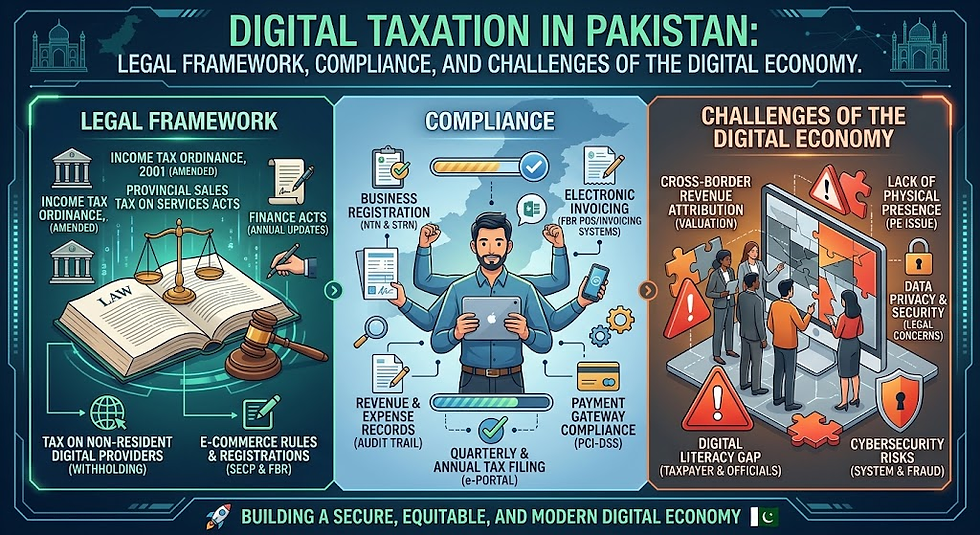
Digitalization of Trade Laws in Pakistan
Digital transformation is redefining legal processes across trade and commerce sectors. Pakistan is gradually adopting digital systems to improve efficiency and reduce manual intervention.
Key developments include:
Online business registration and licensing systems
Electronic import/export documentation
Digital tax filing systems for businesses
Automation in customs clearance procedures
Early-stage development of online dispute resolution platforms
Benefits of digital legal transformation:
Faster processing of trade transactions
Reduced paperwork and administrative delays
Improved transparency and accountability
Easier compliance for businesses
However, challenges such as cybersecurity risks and lack of digital literacy still need to be addressed.
E-Commerce Growth and Legal Regulation
E-commerce has become a major driver of trade in Pakistan, requiring strong legal frameworks to ensure stability and consumer protection.
Key legal focus areas:
Regulation of online marketplaces
Consumer protection laws for digital transactions
Cybersecurity and data protection frameworks
Taxation policies for digital businesses
Licensing requirements for online sellers
Important priorities include:
Preventing fraud in online transactions
Ensuring fair competition among platforms
Protecting consumer rights in digital trade
Strengthening accountability in e-commerce operations
Intellectual Property Rights and Trade Expansion
Intellectual property (IP) protection is a critical factor in promoting innovation and strengthening trade competitiveness.
In Pakistan, improved IP systems support:
Growth of creative and technology industries
Protection of local brands and inventions
Attraction of foreign direct investment
Expansion of export-oriented businesses
Legal innovation in IP includes:
Faster digital trademark and patent registration systems
Stronger enforcement against counterfeit products
Awareness campaigns for businesses and creators
Improved coordination between regulatory bodies
Alternative Dispute Resolution (ADR) in Commercial Trade
Alternative Dispute Resolution is becoming a key pillar of legal innovation in Pakistan’s trade system.
Forms of ADR include:
Arbitration proceedings
Mediation services
Online dispute resolution platforms
Benefits for trade:
Faster resolution of commercial disputes
Reduced burden on courts
Lower litigation costs for businesses
Confidential and efficient settlement processes
Strengthening ADR systems improves investor trust and business confidence.
Technology as a Driver of Legal Innovation
Technology plays a central role in modernizing legal frameworks and improving trade efficiency.
Key technological tools include:
Artificial Intelligence for legal analysis and compliance
Blockchain for secure trade documentation
Big data analytics for regulatory monitoring
Cloud-based legal record systems
Impact on trade:
Reduced fraud in documentation
Increased transparency in supply chains
Faster verification of business transactions
Improved regulatory enforcement
Impact on SMEs and Business Growth
Small and medium enterprises (SMEs) are the backbone of Pakistan’s economy and are directly affected by legal innovation.
Positive impacts include:
Easier business registration processes
Reduced regulatory burden
Better access to digital trade platforms
Improved dispute resolution mechanisms
Ongoing challenges:
Limited legal awareness among entrepreneurs
High compliance complexity in some sectors
Lack of access to legal advisory services
Supporting SMEs is essential for inclusive economic growth.
Cross-Border Trade and Legal Harmonization
Global trade requires Pakistan to align its legal systems with international standards.
Key focus areas:
Compliance with WTO regulations
Simplification of import/export laws
Strengthening bilateral trade agreements
Harmonization of digital trade rules
Benefits of harmonization:
Increased export opportunities
Easier access to international markets
Greater foreign investment inflows
Improved global trade competitiveness
Policy Reforms and Regulatory Innovation
Government-led reforms are essential for sustaining trade growth and legal modernization.
Key reforms include:
Simplification of tax and trade policies
Digital governance initiatives
Anti-corruption measures in regulatory systems
One-window trade facilitation systems
Policy priorities:
Predictable regulatory environment
Stable business policies
Continuous legal modernization
Private sector engagement in reforms
Future Outlook: Smart Legal Systems for Smart Trade
The future of trade in Pakistan will depend on fully integrated smart legal systems that combine law and technology.
Expected developments:
Fully digitized trade documentation systems
AI-powered compliance monitoring tools
Blockchain-based trade verification systems
Integrated national trade portals
Real-time regulatory tracking systems
These advancements will make trade faster, safer, and more transparent.
Conclusion
Legal innovation is essential for transforming Pakistan’s trade ecosystem into a modern, efficient, and globally competitive system. By adopting digital technologies, strengthening legal enforcement, improving dispute resolution mechanisms, and simplifying regulatory frameworks, Pakistan can significantly enhance its trade performance.
A strong legal foundation not only supports business growth but also attracts investment, reduces corruption, and increases transparency. The future of trade in Pakistan will be defined by how effectively the legal system evolves to meet the demands of a digital, interconnected global economy.