Legal Issues in the Gig Economy

Updated: Oct 1

Navigating Employment, Digital Platforms, and Regulatory Challenges in Pakistan
The gig economy has transformed the modern labour market by creating flexible work opportunities through digital platforms and technology-driven services. Individuals now earn income by providing transportation, food delivery, freelance writing, software development, graphic design, digital marketing, consulting, online education, and numerous other professional services. These work arrangements have expanded economic opportunities while allowing businesses to access skilled professionals without traditional employment structures.
In Pakistan, the growth of digital platforms, remote work, and freelance services has significantly contributed to employment opportunities, entrepreneurship, and the digital economy. Thousands of professionals now rely on platform-based work to generate income, while businesses increasingly benefit from flexible and specialised talent. The expansion of internet access and digital payment systems has further accelerated this transformation, making the gig economy an important part of the country's evolving labour market.
Despite its many advantages, the gig economy presents complex legal challenges. Questions relating to employment status, contractual rights, social security, taxation, workplace safety, digital payments, dispute resolution, data protection, and consumer rights continue to shape legal discussions around platform-based work. Traditional labour laws were largely designed for conventional employer-employee relationships and may not fully address the unique characteristics of modern digital work arrangements.
A balanced legal framework is therefore essential to encourage innovation while protecting the rights of workers, businesses, and consumers. Effective regulation should promote flexibility without compromising fairness, accountability, or legal certainty. As Pakistan's digital economy continues to expand, strengthening legal protections for gig workers and digital platforms will play a vital role in supporting sustainable economic growth and responsible business development.
Understanding the Gig Economy
The gig economy refers to a labour market in which individuals provide services through short-term contracts, freelance arrangements, or digital platforms rather than traditional long-term employment relationships. Workers generally complete specific tasks or projects while maintaining greater flexibility regarding when, where, and how they perform their work.
Digital platforms act as intermediaries by connecting service providers with customers through mobile applications or online marketplaces. These platforms facilitate transactions, manage payments, and often establish operational standards for service delivery.
The growth of digital technology has enabled the gig economy to expand rapidly across multiple industries, creating new opportunities for both businesses and independent professionals.
The Growing Importance of the Gig Economy in Pakistan
Pakistan's expanding digital infrastructure has created favourable conditions for the growth of freelance work and technology-based employment. Online marketplaces have enabled professionals to offer services nationally and internationally, while digital platforms have simplified customer access to transportation, food delivery, logistics, and home-based services.
The gig economy contributes to employment generation, entrepreneurship, financial inclusion, and innovation. It also provides opportunities for students, skilled professionals, and individuals seeking flexible working arrangements.
As digital business models continue to evolve, the legal system must ensure that innovation develops alongside appropriate regulatory safeguards.
Employment Status and Worker Classification
One of the most significant legal issues in the gig economy concerns the classification of workers. Determining whether an individual should be regarded as an employee or an independent contractor affects legal rights, contractual obligations, taxation, and workplace protections.
Traditional employment relationships generally involve greater employer control, while independent contractors usually retain greater flexibility over how services are performed. However, many digital platform arrangements share characteristics of both models, creating legal uncertainty.
Clear legal standards help reduce disputes while providing certainty for workers, businesses, and regulators.
Employment Rights and Fair Working Conditions
Although gig workers often value flexibility, they also require reasonable legal protections that promote fairness and dignity within the workplace. Responsible business practices encourage transparent contractual arrangements, fair treatment, and effective communication between platforms and service providers.
Legal discussions frequently focus on ensuring appropriate standards relating to remuneration, dispute resolution, workplace safety, and protection from unfair contractual practices. Businesses benefit when workers operate within a transparent and predictable legal environment.
Balanced regulation supports both economic flexibility and responsible labour practices.
Digital Contracts and Platform Agreements
Most gig economy relationships are governed by digital contracts accepted through online platforms or mobile applications. These agreements define the rights and responsibilities of both service providers and platform operators.
Contracts should clearly explain payment terms, service expectations, dispute resolution procedures, termination provisions, privacy practices, and liability arrangements. Transparent contractual terms reduce misunderstandings while promoting fairness between businesses and workers.
Well-drafted digital agreements strengthen commercial certainty within the gig economy.
Consumer Protection and Service Standards
Consumers play an essential role within platform-based business models. Legal frameworks should ensure that customers receive accurate information, reliable services, secure payment systems, and appropriate remedies where disputes arise.
Digital platforms should maintain transparent policies regarding pricing, refunds, complaint handling, and service quality. Consumer confidence encourages continued growth within the digital economy while supporting responsible commercial practices.
Protecting consumers also strengthens the reputation and sustainability of digital platforms.
Taxation and Regulatory Compliance
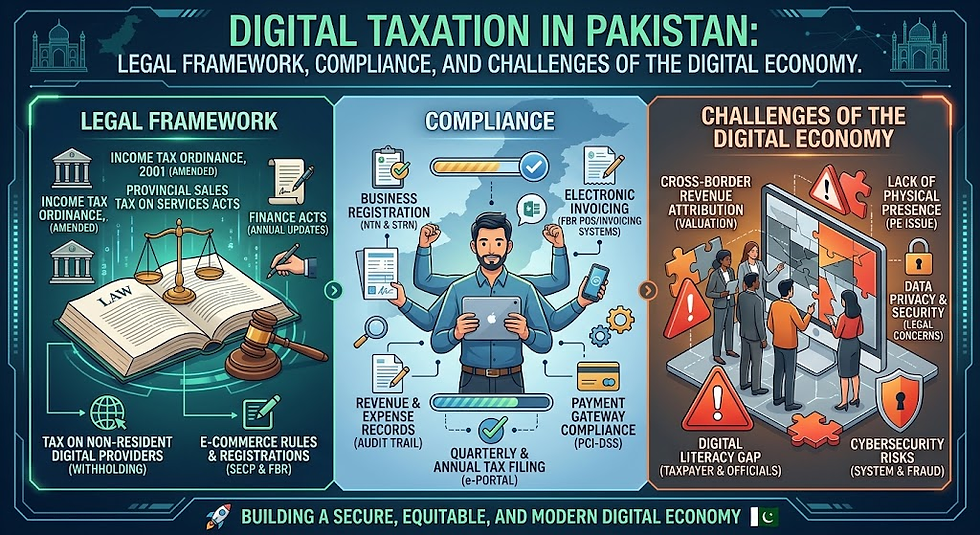
The expansion of platform-based work raises important questions regarding taxation and regulatory compliance. Gig workers and digital businesses should understand their legal obligations relating to income reporting, business registration, and applicable financial regulations.
Clear tax policies encourage voluntary compliance while reducing uncertainty for both workers and businesses. Regulatory certainty also supports entrepreneurship by providing predictable legal standards for operating within the digital economy.
Effective compliance benefits public institutions while promoting sustainable business growth.
Data Privacy and Digital Security
Digital platforms collect and process significant amounts of personal information relating to workers, customers, payments, and business operations. Protecting this information has become an essential legal responsibility.
Organisations should adopt comprehensive privacy policies, implement appropriate cybersecurity measures, and manage personal data responsibly. Strong data governance reduces legal risks while strengthening public confidence in digital services.
Protecting personal information benefits both consumers and businesses operating within increasingly connected digital environments.
Workplace Safety in the Gig Economy
Although many gig workers operate independently, workplace safety remains an important consideration. Service providers engaged in transportation, delivery, logistics, and field-based work may encounter operational risks that require appropriate organisational support.
Digital platforms can promote safer working environments by establishing clear operational standards, providing safety guidance, and encouraging responsible risk management practices. Businesses that prioritise worker safety strengthen public trust while reducing legal exposure.
Safe working environments contribute to long-term sustainability within the gig economy.
Dispute Resolution and Legal Remedies
Disagreements may arise between digital platforms, workers, and customers concerning payments, contractual obligations, service quality, or account management. Effective dispute resolution mechanisms help resolve these issues efficiently while reducing unnecessary litigation.
Digital platforms should establish accessible complaint procedures supported by transparent decision-making and fair contractual processes. Alternative dispute resolution methods, including mediation and arbitration, may also provide efficient solutions for resolving commercial disagreements.
Efficient dispute resolution promotes confidence among all participants within the gig economy.
Technology, Artificial Intelligence, and Platform Management
Many digital platforms rely on artificial intelligence and automated systems to allocate work, evaluate performance, process payments, and manage customer interactions. While these technologies improve efficiency, they also raise questions regarding transparency and accountability.
Businesses should ensure that automated decision-making systems operate fairly and consistently. Where technology significantly affects workers' rights or commercial opportunities, appropriate oversight and transparent governance become increasingly important.
Responsible use of technology strengthens trust while supporting continued innovation.
Challenges Facing Gig Economy Regulation
Although the gig economy offers considerable economic opportunities, regulators continue to face several legal and practical challenges. Developing effective regulation requires balancing innovation with worker protection and commercial flexibility.
Some of the key challenges include:
Determining appropriate worker classification.
Strengthening digital contract transparency.
Protecting consumer rights.
Safeguarding personal information and cybersecurity.
Promoting fair competition among digital platforms.
Improving taxation and regulatory compliance.
Expanding access to effective dispute resolution.
Supporting responsible use of emerging technologies.
Addressing these issues requires cooperation between lawmakers, businesses, digital platforms, legal professionals, and labour experts.
Building a Balanced Legal Framework
A modern legal framework should encourage innovation while ensuring fairness, accountability, and legal certainty within the gig economy. Regulation should remain flexible enough to accommodate evolving business models without creating unnecessary obstacles for entrepreneurship or technological development.
Several priorities deserve continued attention:
Clarifying legal standards for worker classification.
Strengthening digital contract protections.
Enhancing consumer protection measures.
Improving privacy and cybersecurity safeguards.
Encouraging responsible platform governance.
Supporting fair dispute resolution mechanisms.
Promoting digital literacy and professional development.
Strengthening cooperation between regulators and industry.
These measures help create a legal environment where workers, businesses, and consumers can benefit from the continued growth of the digital economy.
The Future of the Gig Economy in Pakistan
The gig economy is expected to remain an important driver of employment, entrepreneurship, and technological innovation in Pakistan. As digital platforms expand into new sectors, legal frameworks must continue evolving to address emerging challenges while encouraging sustainable economic development.
Future reforms are likely to focus on improving labour protections, strengthening digital governance, enhancing cybersecurity, supporting financial inclusion, and promoting responsible use of technology. A balanced legal approach will enable businesses to innovate while ensuring that workers and consumers receive appropriate legal protections.
By encouraging responsible regulation and modern governance, Pakistan can build a gig economy that supports innovation, competitiveness, and inclusive economic growth.
Conclusion
The gig economy has transformed the way individuals work and businesses operate by creating flexible employment opportunities and expanding access to digital services. While these developments contribute significantly to entrepreneurship, innovation, and economic growth, they also present important legal questions concerning worker classification, employment rights, consumer protection, digital contracts, taxation, cybersecurity, and regulatory compliance. Addressing these challenges requires legal frameworks that balance commercial flexibility with fairness, accountability, and the protection of fundamental rights.
For Pakistan, strengthening legal regulation of the gig economy offers an opportunity to support sustainable economic development while encouraging responsible digital innovation. By modernising labour laws, promoting transparent business practices, enhancing digital security, and ensuring effective legal protections for workers and consumers, the country can create a resilient and inclusive digital labour market capable of meeting the demands of the modern economy.