Mercantile Law Beyond Classrooms: Real-World Influence on Everyday Business Practices in Pakistan

Updated: Oct 1

From Legal Theory to Commercial Reality in Pakistan
Mercantile law is usually introduced in Pakistani academic institutions as a theoretical subject filled with definitions, statutes, and case laws. However, in the real commercial world, it is far more than an academic discipline it is the operational framework that silently regulates every business activity across Pakistan. From small grocery stores in Faisalabad’s local markets to multinational corporations operating under cross-border trade agreements, mercantile law ensures structure, trust, and enforceability in transactions.
Pakistan’s economy is a blend of formal and informal sectors. While many businesses operate on trust-based informal dealings, the expansion of banking systems, digital commerce, and international trade has made legal compliance increasingly important. Mercantile law bridges the gap between traditional business practices and modern regulatory requirements, making it essential for sustainable economic development.
Understanding Mercantile Law in Pakistan’s Business Environment
Mercantile law in Pakistan is a combination of statutory laws, judicial interpretations, and commercial customs that regulate trade and commerce. It includes laws governing contracts, partnerships, sales of goods, companies, negotiable instruments, and consumer protection.
Key legal frameworks include:
Contract Act 1872
Sale of Goods Act 1930
Partnership Act 1932
Companies Act 2017
Negotiable Instruments Act 1881
In practical business life, these laws are not just legal texts they are tools that define how agreements are made, enforced, and resolved. Pakistani courts and regulatory authorities such as the Securities and Exchange Commission of Pakistan (SECP) and the State Bank of Pakistan play a critical role in implementing these laws.
Importance of Contracts in Daily Business Operations
Contracts are the backbone of all commercial relationships. Whether written or verbal, every transaction in Pakistan involves some form of agreement. However, written contracts provide legal protection and reduce the risk of fraud or misunderstanding.
In practical terms, mercantile law ensures:
Clear definition of rights and obligations of parties
Legal enforcement of payment terms
Remedies in case of breach, such as damages or specific performance
Protection against fraudulent or misleading commitments
For example, a textile exporter in Faisalabad dealing with an international buyer depends heavily on a legally enforceable contract to secure payment and ensure timely delivery. Without contract law, business trust would collapse, especially in cross-border trade where parties operate under different legal systems.
Role of Mercantile Law in Small and Medium Enterprises (SMEs)
SMEs are the backbone of Pakistan’s economy, contributing significantly to employment and GDP. However, many SME owners lack legal awareness, which often leads to disputes and financial losses.
Mercantile law impacts SMEs in several ways:
Business registration and legal recognition
Drafting of supplier and distributor agreements
Protection against unfair trade practices
Debt recovery through legal documentation
Compliance with tax and corporate regulations
In many cases, SMEs rely on informal agreements based on trust. While this may work in the short term, it often leads to disputes that are difficult to resolve without proper documentation and legal backing.
Banking System, Credit Instruments, and Financial Transactions
Mercantile law plays a crucial role in Pakistan’s banking and financial system. Negotiable instruments such as cheques, promissory notes, and bills of exchange are essential for maintaining liquidity in business transactions.
Practical implications include:
A dishonored cheque can result in civil and criminal proceedings
Banks require legal documentation before issuing business loans
Credit-based trade is secured through enforceable instruments
This legal structure allows businesses to operate on credit while ensuring financial discipline. It also strengthens trust between buyers, sellers, and financial institutions.
Digital Commerce and the Evolution of Mercantile Law
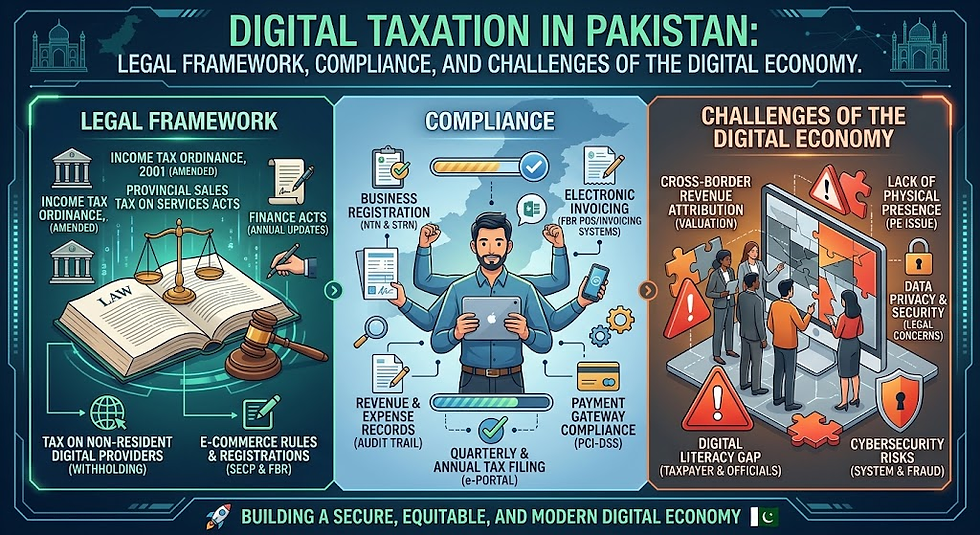
The rise of e-commerce platforms in Pakistan has transformed traditional business models. Online stores, social media sellers, and digital payment systems are now an integral part of the economy. However, this digital transformation has introduced new legal challenges.
Key issues include:
Absence of formal written contracts in online deals
Fraudulent transactions and payment disputes
Weak enforcement of consumer rights in digital markets
Lack of awareness regarding refund and return policies
Mercantile law is gradually evolving to address these challenges, but enforcement mechanisms still need improvement. As digital commerce grows, legal frameworks must adapt faster to protect both businesses and consumers.
Mercantile Law in Import and Export Trade
International trade is a vital component of Pakistan’s economy, particularly in sectors like textiles, agriculture, sports goods, and surgical instruments. Mercantile law provides the legal foundation for these transactions.
Key aspects include:
International sales contracts and INCOTERMS compliance
Letter of credit arrangements through banks
Customs regulations and export documentation
Arbitration in international disputes
Without a strong legal framework, exporters would face significant risks in global markets due to differences in legal systems and enforcement challenges across countries.
Consumer Protection and Business Responsibility
Mercantile law also ensures that consumers are protected from unfair trade practices. As markets expand, consumer rights have become increasingly important in maintaining business accountability.
In practical terms:
Businesses must provide accurate product information
Defective goods can lead to legal claims
False advertising is legally punishable
Service providers are bound by contractual obligations
Although consumer protection laws exist in Pakistan, enforcement remains inconsistent. Many consumers are still unaware of their legal rights, which limits the effectiveness of these protections.
Partnership Structures and Business Disputes in Pakistan
Partnership businesses are extremely common in Pakistan, especially in family-owned enterprises. However, lack of formal agreements often leads to disputes.
Mercantile law provides guidance on:
Formation and registration of partnerships
Profit-sharing ratios and responsibilities
Dissolution of partnerships
Legal remedies in case of disputes
A properly drafted partnership deed helps prevent misunderstandings and ensures long-term business stability. Without it, even successful businesses can collapse due to internal conflicts.
Corporate Governance and Company Law in Pakistan
With the implementation of the Companies Act 2017, corporate governance in Pakistan has become more structured and transparent. Mercantile law ensures accountability and investor protection in corporate entities.
Key features include:
Mandatory company registration with SECP
Regular financial audits and reporting
Protection of minority shareholders
Legal responsibilities of directors and executives
This legal framework enhances investor confidence and encourages foreign investment, which is essential for economic growth.
Dispute Resolution Mechanisms in Commercial Law
Business disputes are inevitable in any economy. Mercantile law provides structured mechanisms to resolve these conflicts efficiently.
In Pakistan, dispute resolution includes:
Civil courts for contract enforcement
Banking courts for financial disputes
Arbitration for commercial agreements
Mediation and alternative dispute resolution systems
Although these systems exist, delays in judicial proceedings remain a major challenge for businesses seeking timely justice.
Practical Challenges in the Implementation of Mercantile Law
Despite a strong legal framework, several challenges hinder effective implementation in Pakistan:
Slow judicial processes and case backlogs
Limited legal awareness among business owners
Weak enforcement of court decisions
Dominance of informal economy
Corruption and procedural inefficiencies
These issues reduce trust in the legal system and discourage businesses from relying on formal legal protections.
Future of Mercantile Law in Pakistan’s Economy
The future of mercantile law in Pakistan is closely linked to digital transformation and economic modernization. As businesses become more structured and technology-driven, legal frameworks will also evolve.
Expected developments include:
Stronger digital commerce regulations
Faster commercial court systems
Expansion of arbitration and mediation
Integration of fintech and legal compliance
Improved consumer protection laws
These reforms will strengthen Pakistan’s business environment and attract greater investment.
Conclusion
Mercantile law is not merely an academic subject confined to textbooks it is the invisible backbone of Pakistan’s entire commercial system. It governs contracts, banking, trade, corporate governance, and consumer protection, ensuring fairness and stability in economic transactions.
For Pakistan’s economy to grow sustainably, awareness and practical application of mercantile law must increase at all levels of business. Entrepreneurs, students, and professionals who understand its real-world significance gain a major advantage in today’s competitive market.
Ultimately, mercantile law is not just about legal theory it is about building trust, reducing risk, and enabling long-term business success in Pakistan’s evolving economic landscape.